
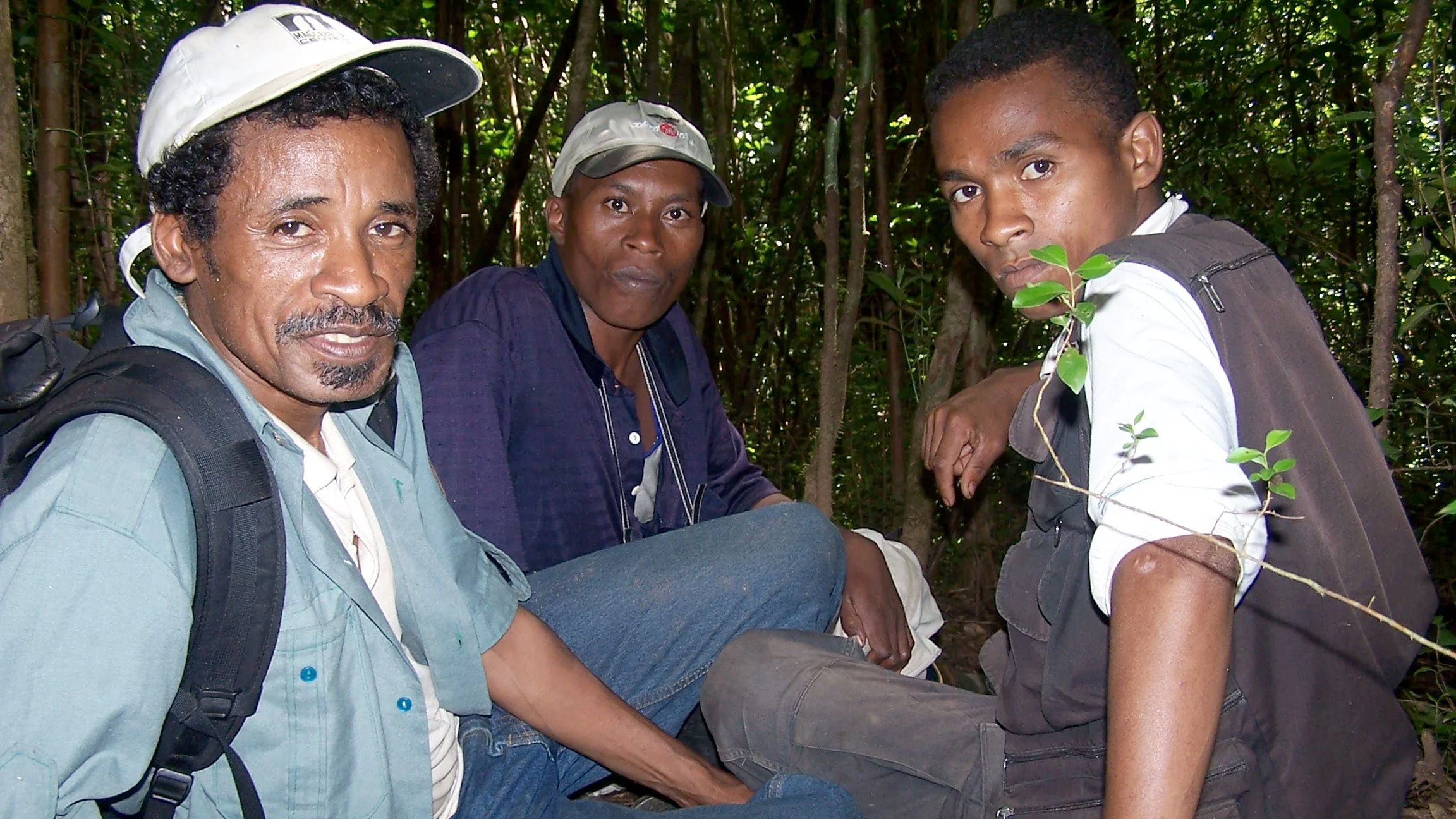
Perspectives Special Issue:
Centre ValBio, Ranomafana National Park
Introduction to the Special Issue:
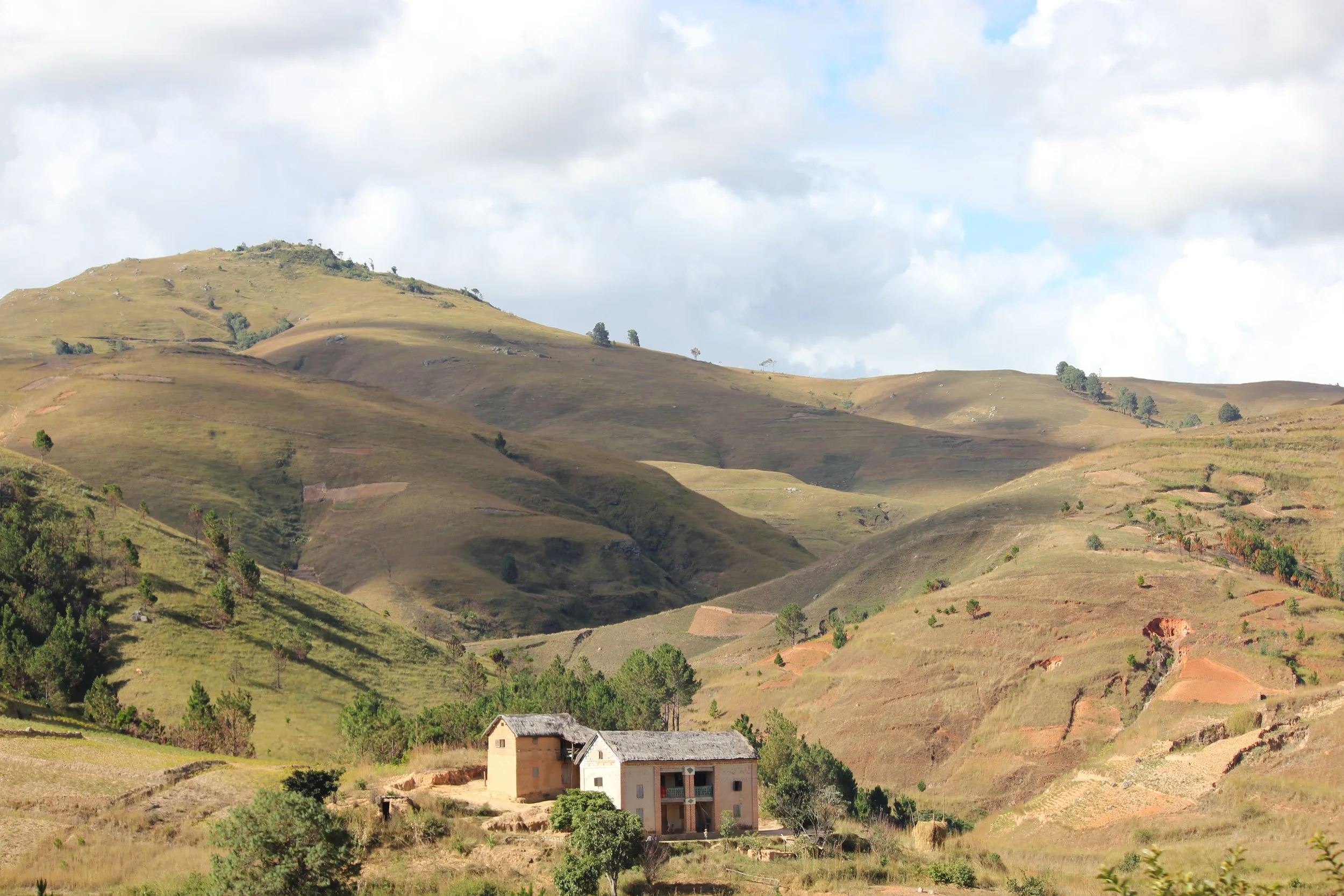
Nestled in the rugged, verdant slopes of southeastern Madagascar, Ranomafana National Park (RNP) was established in 1991 to protect some of the most biologically rich rainforest on the planet. Stretching over more than 41,000 hectares of continuous evergreen, bamboo and montane forest, it spans altitudes from around 500 m up to 1,500 m, thereby supporting a multiplicity of habitats and species.
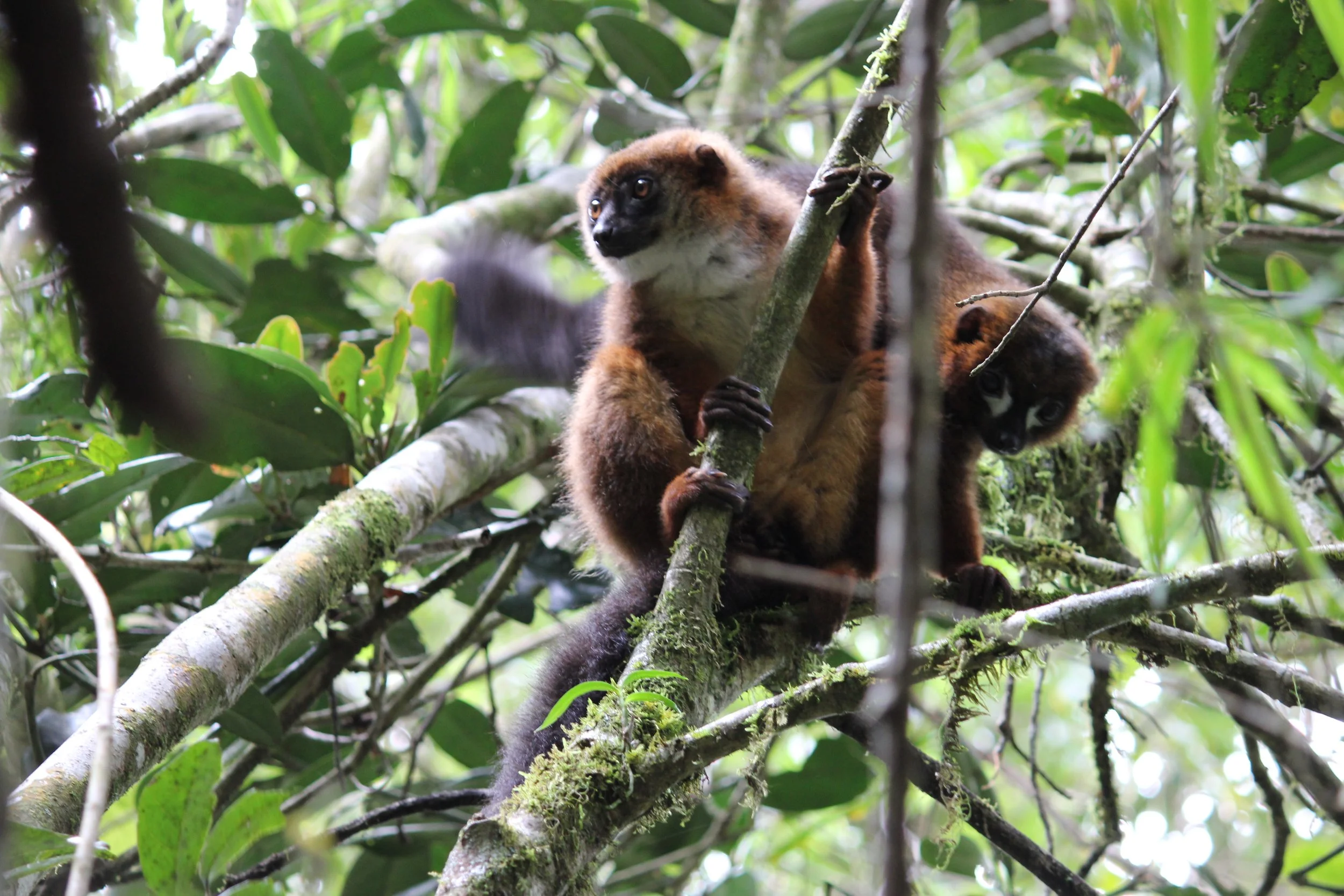
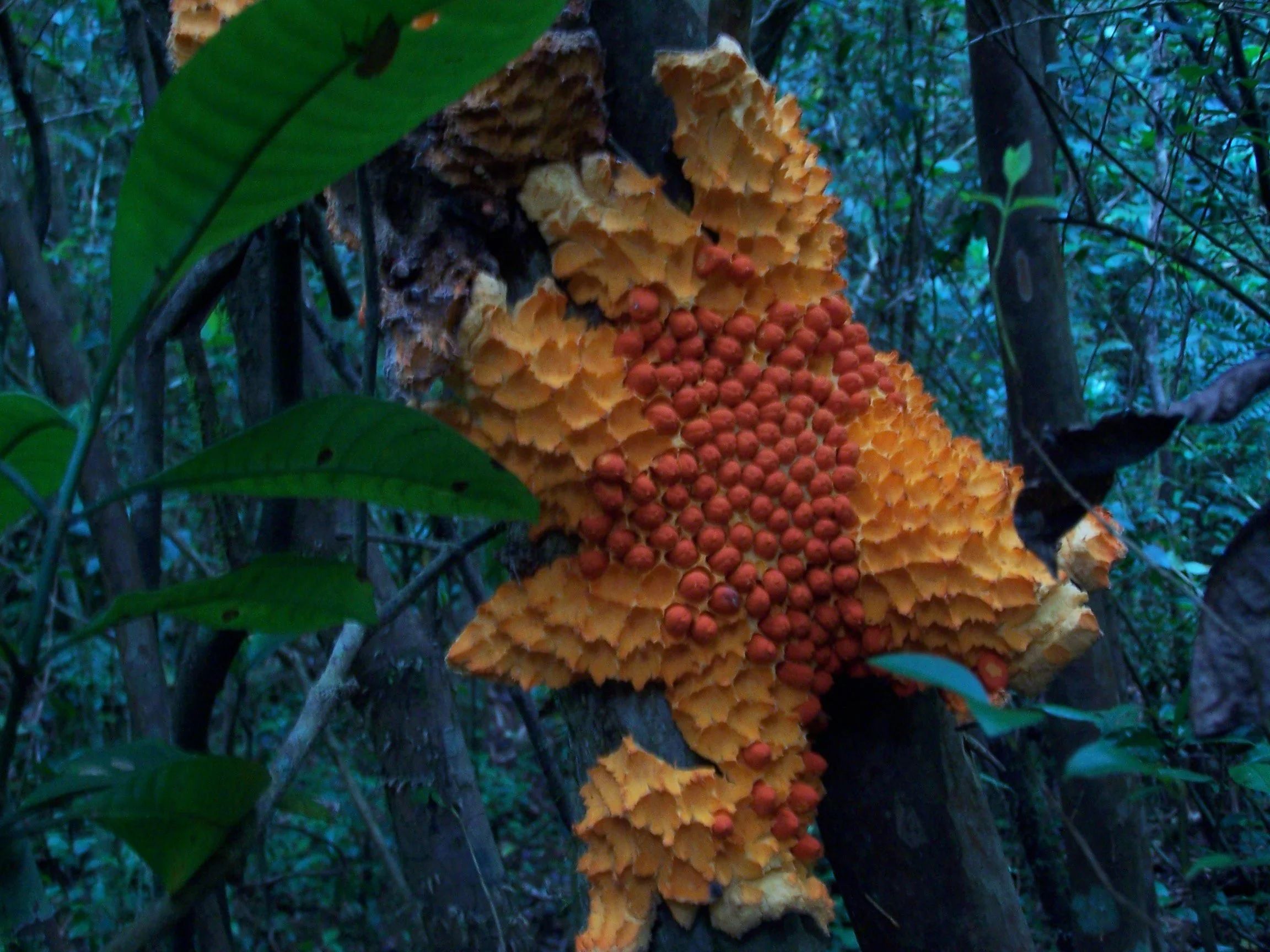
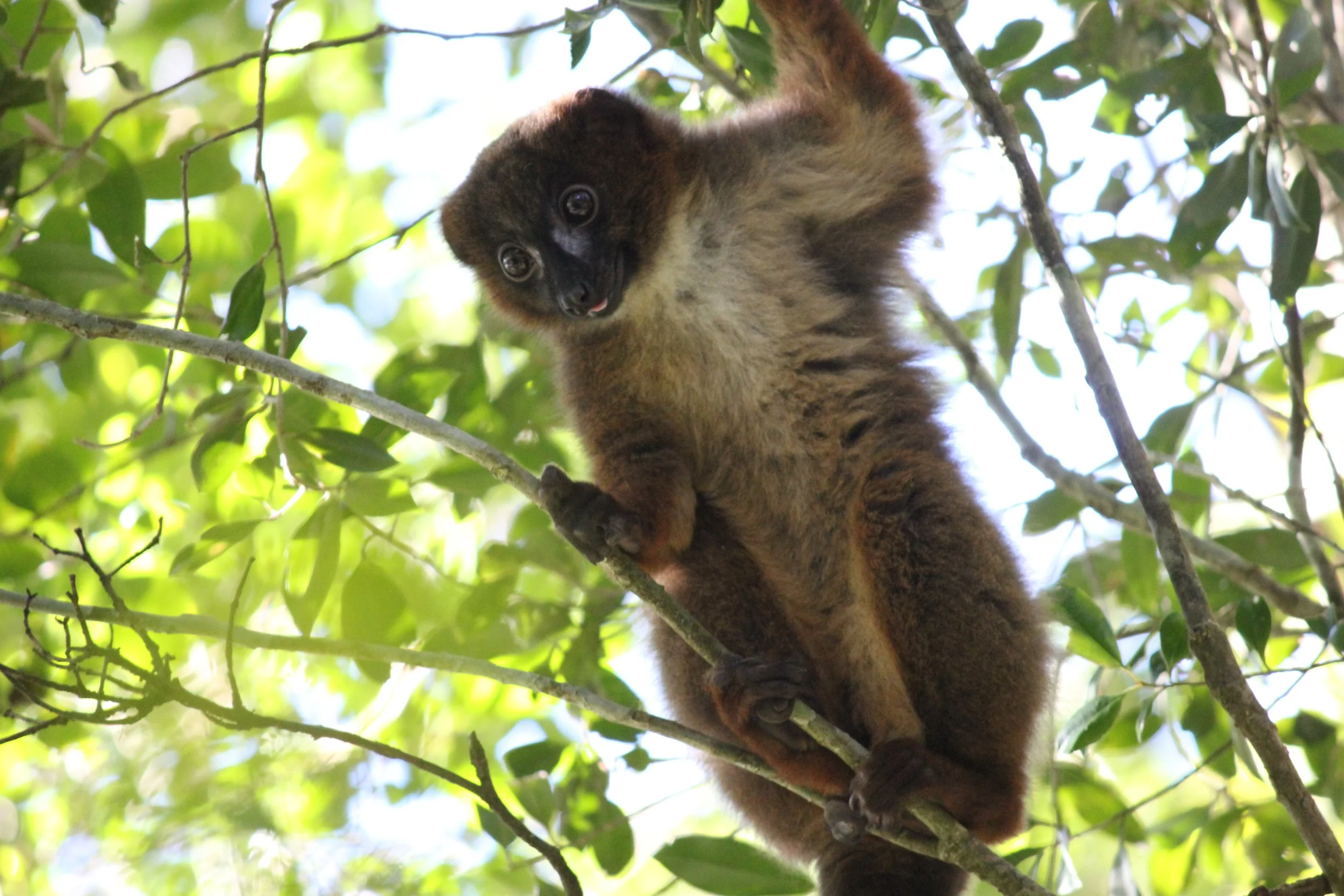
The park is of global significance. It is a living laboratory of endemism: the forests of Madagascar are home to plants, amphibians, reptiles, insects and mammals found nowhere else on Earth and RNP plays a key role in conserving this natural heritage. For example, RNP supports more than a dozen species of lemur, including several that are Endangered or Critically Endangered.
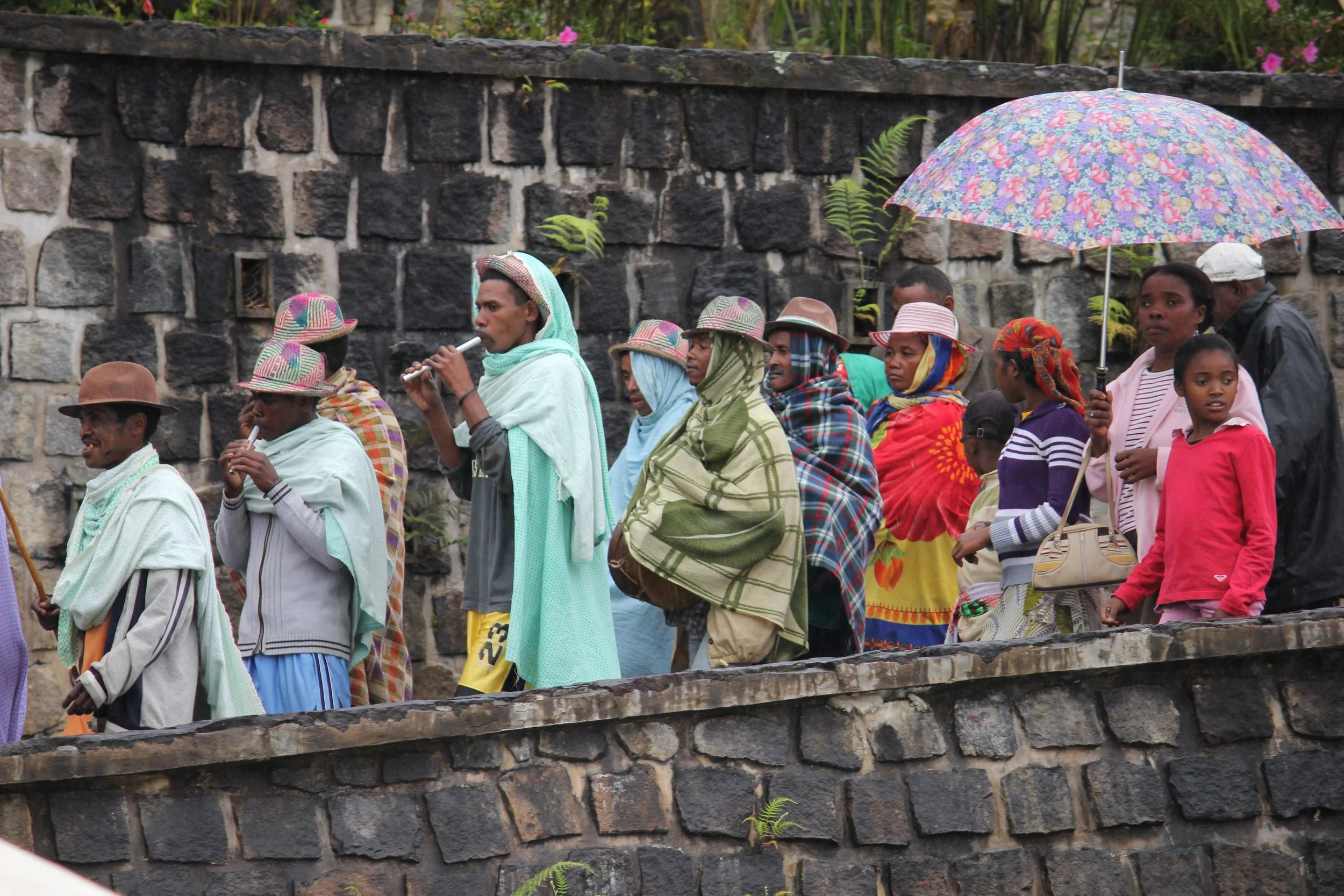
In addition to its natural value, RNP is also intimately tied to local human communities and their livelihoods. The forest and its rivers provide water, employment (through tourism and guiding), forest products, and cultural meaning.
The park also faces significant conservation challenges: slash‐and‐burn agriculture, forest fires, invasive species, mining and selective logging all threaten its ecological integrity.
In short, RNP is not only a remarkable site for biodiversity, but a dynamic socio‐ecological system where traditional knowledge, scientific research, conservation practice and community livelihoods intersect. It is exactly the kind of place where local knowledge in natural science finds rich and meaningful expression.
Introducing the Project: “Preserving Knowledge of Endemic Species in Madagascar through Storytelling”
This special issue arises from a project that engaged research technicians and tour guides working in and around Ranomafana National Park in a series of in-depth interviews and video-recordings. The aim: to capture and conserve the often un-documented, lived knowledge of people whose daily existence is woven into the forest and its myriad species.
The interview process comprised two parts:
Part 1 focused on the individual’s professional and personal background, documenting their academic and practitioner journey, their skills, and their role as a forest actor. This serves to honour their expertise, produce a short bio/resume for use by collaborators, employers or community partners, and situate their story in context.
Part 2 invited the individuals to reflect on their direct experience of the forest: their observations of flora and fauna, their stories of the forest in past and present, local knowledge about plants and animals, their hopes for the forest’s future, and the questions they still ponder. It is a storytelling moment: grounded in science, but shaped by lived experience, culture and place.
The themes explored are wide-ranging: the past and present of Ranomafana’s forest; monitoring protocols (plant phenology, camera traps, botanical plots); species such as Propithecus edwardsi, Eulemur rubriventer, Hapalemur aureus, frogs (Boophis luteus), chameleons, birds (e.g., Leptosomus discolor), rare behaviours, seed-dispersers, phenological shifts and climate change; local villages, human impacts, community work, women in conservation, livelihoods, education, and more.
Our aim in publishing this collection of interviews and reflections is to bring to light knowledge that might otherwise remain in field notebooks, in local languages, or in the minds of guides and technicians. By doing so, we hope to:
Provide a platform for local voices and expertise.
Enrich the scientific record with nuance, context and stories that link species, people and place.
Foster cross-community learning: between local tourist guides, technicians, researchers, and readers from Madagascar and beyond.
Encourage future generations to engage with, and care for, the forest—not only as scientists, but as stewards and storytellers.
As we launch this special issue, we invite you to immerse yourself not only in the species, the data, the forest trails, but also in the human stories. These stories matter: they knit together ecology, culture, place and conservation, reminding us that protecting biodiversity is as much about people, knowledge and narrative as it is about species counts and tracking protocols.
We hope this issue inspires you—to read, to reflect, to listen, and perhaps to carry forward your own story of a forest, a species, a place—because in doing so, we keep knowledge alive.
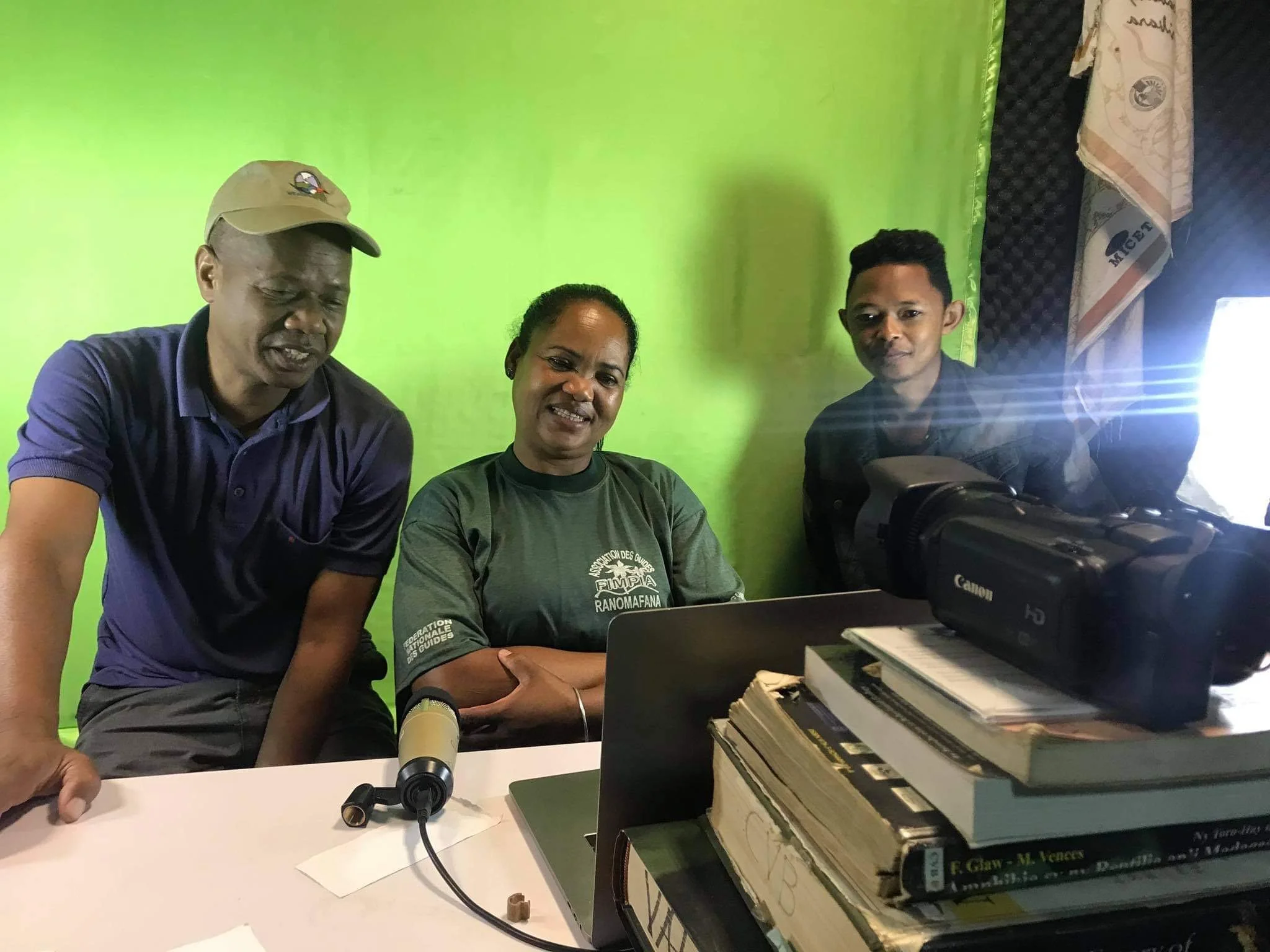
Explore the Video Archive
Themes & Sub-Themes featured in this special issue
Research & Methods
Animal Monitoring & Tracking
Plant Phenology & Botany
Acoustic Monitoring (Animal Vocalizations)
Spatial Data & Mapping (GPS / GIS)
Research Protocols & Data Collection
Species Discovery & Taxonomy
Species Focus
Lemurs
Amphibians
Birds
Plants
Change Over Time
Forest Change & Habitat Loss
Climate Change Impacts
Post-COVID Ecological Change
Human–Forest Relationships
Local Ecological Knowledge
Livelihoods & Pathways into Conservation
Community Health & Wellbeing
Environmental Education & Youth Engagement
Social Dimensions
Women in Conservation
Local Leadership & Governance
International Training & Exchange
Conservation Values & Futures
Forest Protection
Reforestation & Restoration
Human–Wildlife Interdependence
Search Videos by Contributor
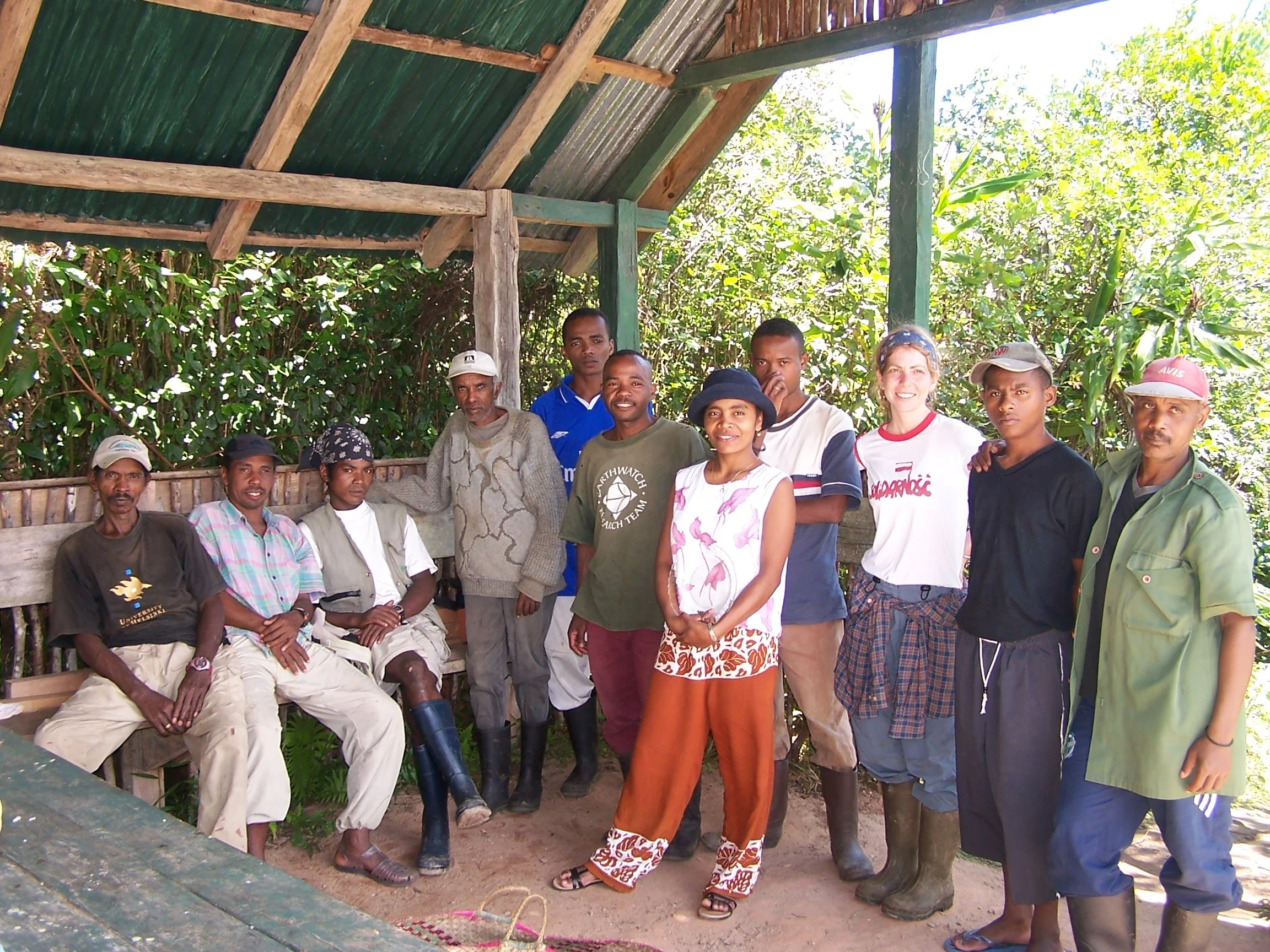
Explore the bios of the people who contributed to this special issue:
Tour Guides:
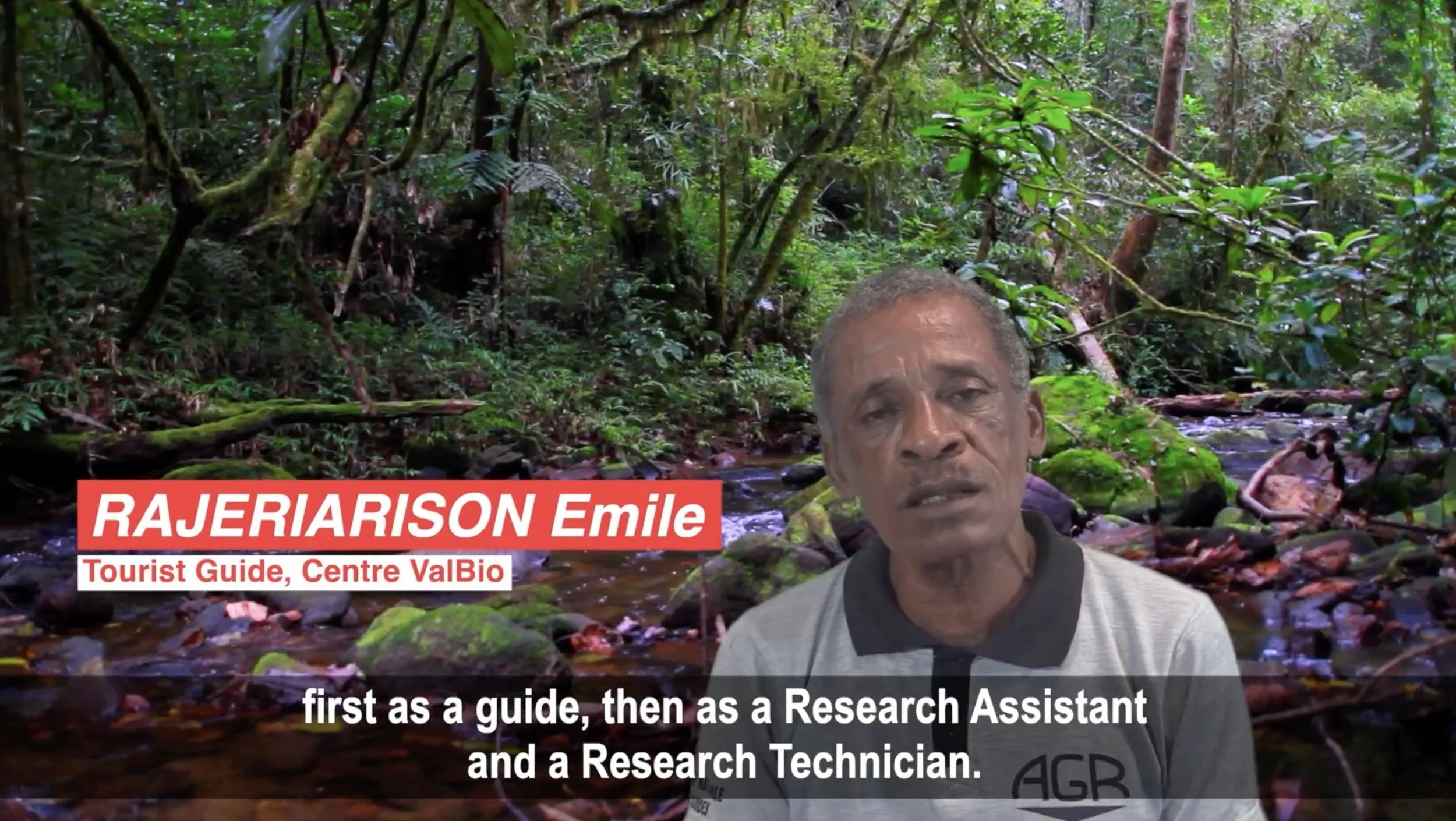
RAJERIARISON Emile
Emile Rajeriarison worked in the forest long before Ranomafana became a national park, initially earning a living through timber work, collecting fern roots, and hunting wildlife to support his family. When researchers arrived in the mid-1980s, his detailed knowledge of birds, lemurs, and forest life allowed him to transition into research assistance and guiding, a role he has held for over three decades. Emile describes the forest as both his school and his office, where he learned languages, science, and how to work with people from around the world. He places strong emphasis on environmental education, particularly introducing primary school children to the forest so they learn not to fear animals such as snakes and chameleons. In his spare time, he plants fruit trees and flowers, reflecting his belief in long-term thinking. Emile dreams of establishing a reference collection of insects and a local DNA lab, convinced that many species in Ranomafana remain undiscovered.
Themes:
Livelihoods & Pathways into Conservation; Local Ecological Knowledge; Environmental Education & Youth Engagement; Species Discovery & Taxonomy; Forest Protection; Reforestation & Restoration; Human–Wildlife Interdependence
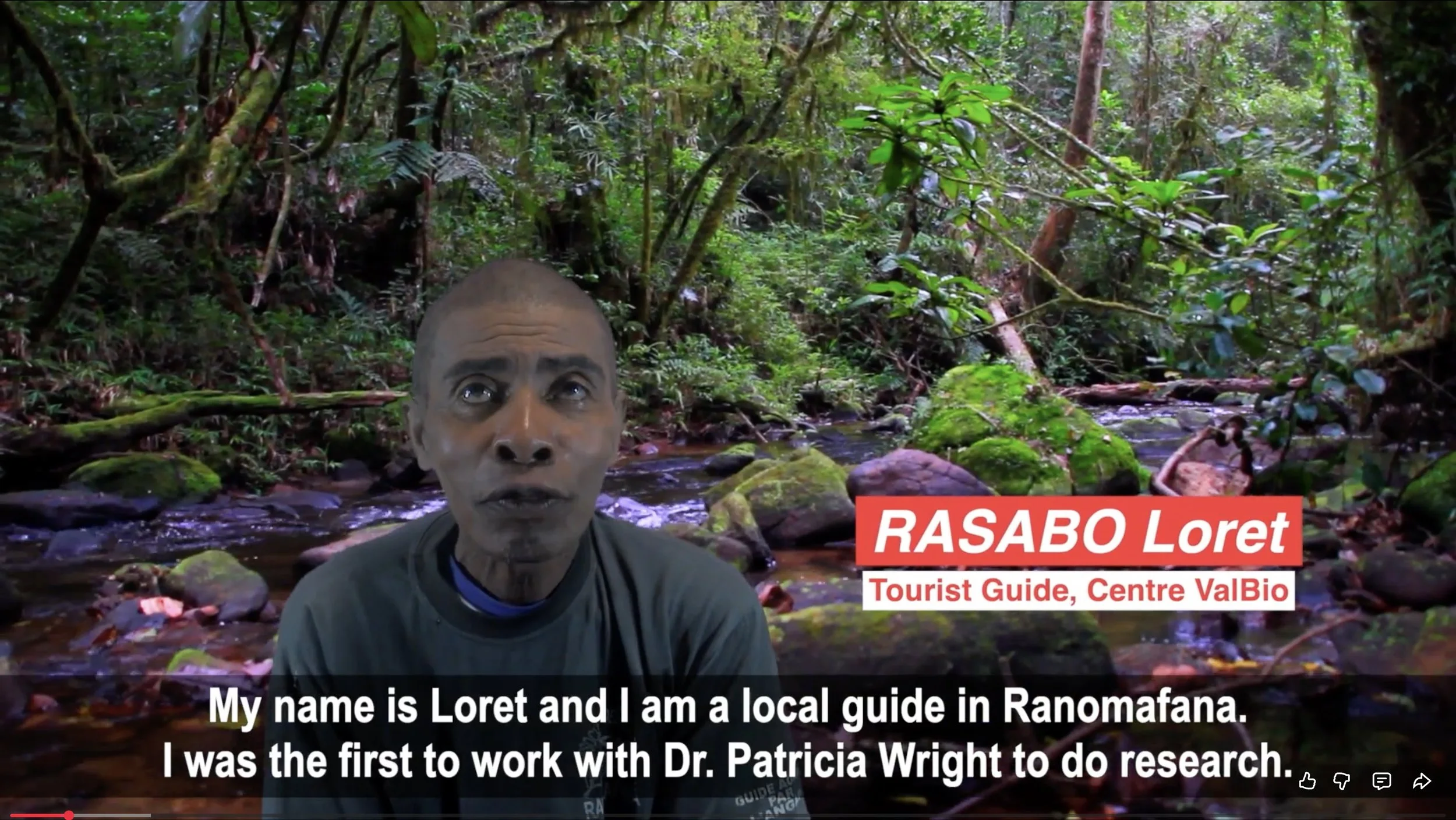
RASABO Loret
Loret Rasabo began working as a biologist in 1984, conducting early research on lemurs, flora, and fauna in Ranomafana. He sadly passed away since the making of this video. While working at Ranomafana, he played a key role in the search for the greater bamboo lemur (Prolemur simus), a species once believed extinct, which was rediscovered in 1987. This finding was instrumental in the decision to establish Ranomafana as a national park. Loret recounts identifying bird species through vocalizations, including the discovery of the cryptic warbler based solely on its call. He expresses concern for rare and nearly extinct species, particularly those affected by slash-and-burn agriculture that coincides with nesting periods. Loret stresses the need for continued research on newly discovered and poorly understood species, noting that climate change, habitat loss, and shifts in food availability continue to reshape the forest ecosystem. Loret’s impact on Ranomafana will not be forgotten.
Themes:
Species Discovery & Taxonomy; Lemurs; Birds; Acoustic Monitoring (Animal Vocalizations); Forest Change & Habitat Loss; Climate Change Impacts; Detrimental Land-Use Practices; Forest Protection
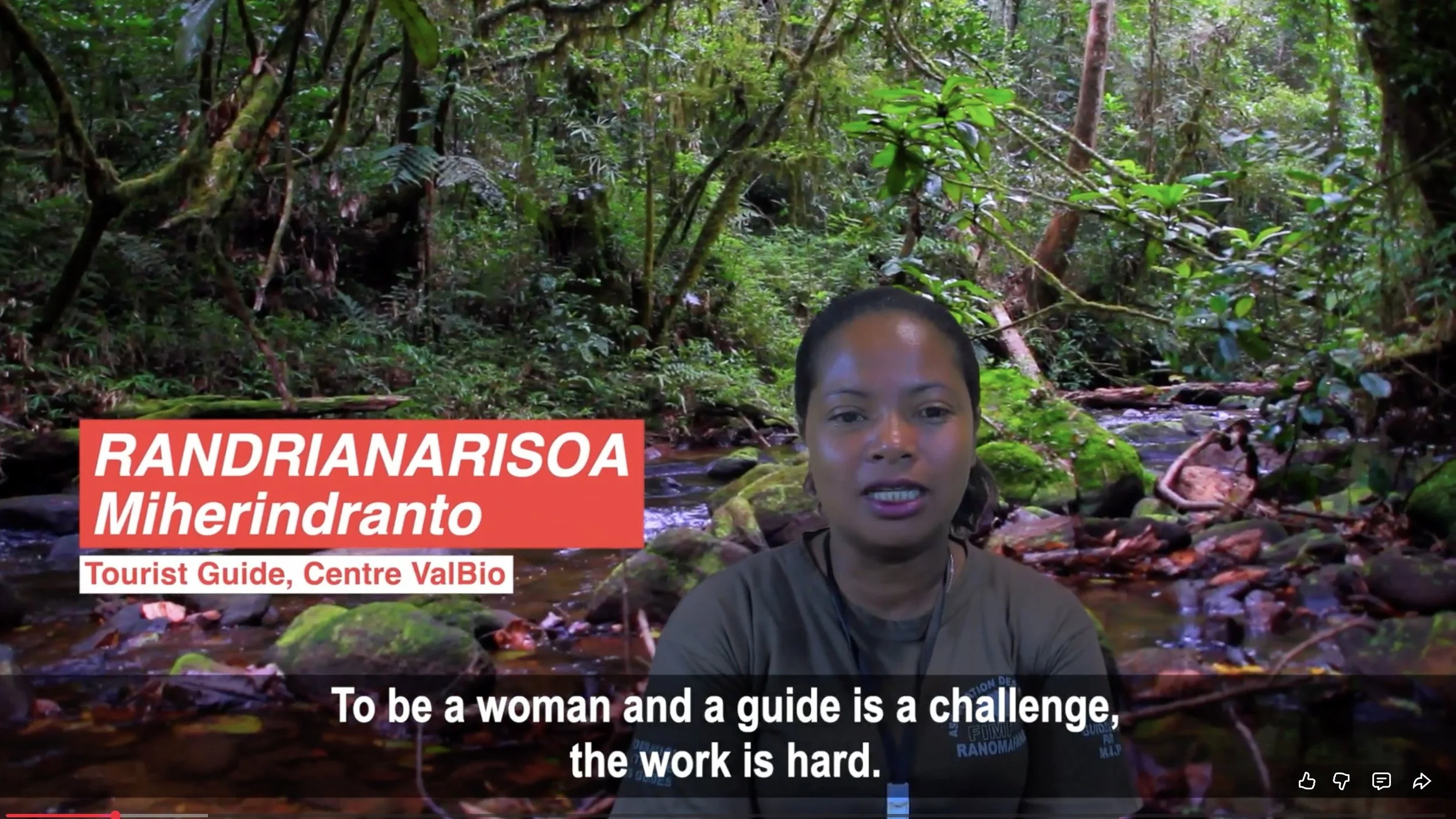
RANDRIANARISOA Herina
Herina Randrianarisoa works as a guide in Ranomafana and reflects on the physical and social challenges faced by women in conservation. She describes balancing the demands of guiding with household responsibilities, emphasizing the strength and organization required to manage both. Herina discusses the benefits the forest provides to local livelihoods, including clean air, water, medicinal resources, and recreation. She observes increasing human pressure on the park, with more visitors, reduced forest cover, and shrinking animal territories. Herina notes changes in animal reproduction and behavior over time, including altered birth patterns and increased dispersion, which she partially attributes to post-COVID shifts in human–animal interactions. She reflects on the interconnectedness of life in the forest, accepting natural processes such as predation as part of a broader ecological balance.
Themes:
Women in Conservation; Livelihoods & Pathways into Conservation; Forest Change & Habitat Loss; Animal Behavioral Adaptation; Post-COVID Ecological Change; Human–Wildlife Interdependence; Forest Protection
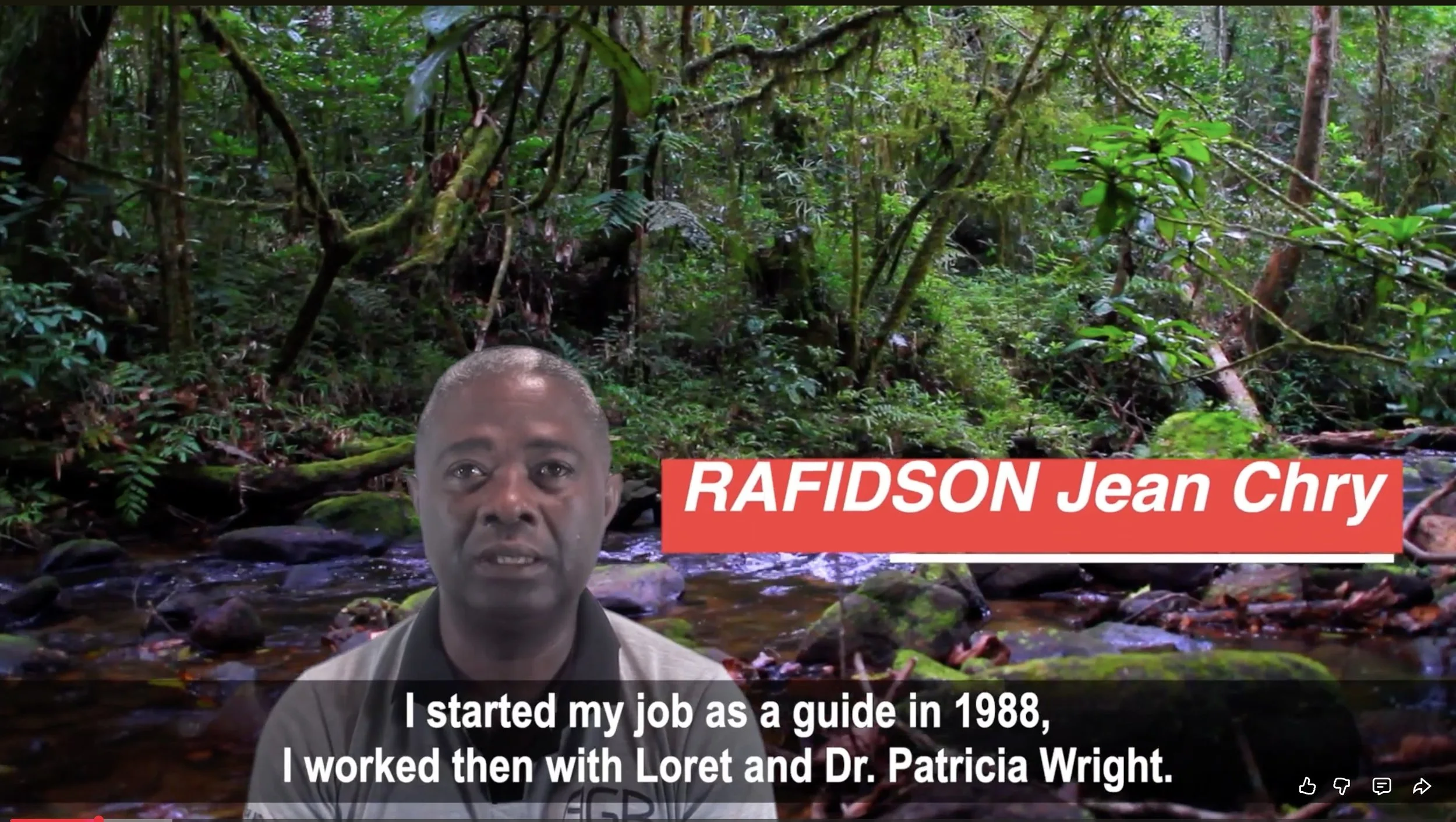
RAFIDISON Jean Chry
Jean Chry Rafidison began visiting the forest in 1988 at the age of 16, spending weekends learning from researchers while continuing his schooling. As tourism developed, he transitioned into guiding and later worked directly for the national park before becoming an independent guide. He recalls training in both the history and biodiversity of Ranomafana and describes discoveries made over the years, including a terrestrial orchid species that blooms for only one month each year. Jean Chrys also recounts sightings of a rare snake species and explains the ecological complexity of secondary forest, which can benefit both people and lemurs while disadvantaging some plant species. He emphasizes the interconnected roles animals play in maintaining ecosystem health—frogs controlling mosquitoes, snakes regulating rodents, and lemurs dispersing seeds—and stresses the importance of strong local health systems to protect both people and conservation efforts.
Themes:
Livelihoods & Pathways into Conservation; Species Discovery & Taxonomy; Forest Ecology & Ecosystem Roles; Forest Change & Habitat Loss; Environmental Education & Youth Engagement; Forest Protection; Human–Wildlife Interdependence
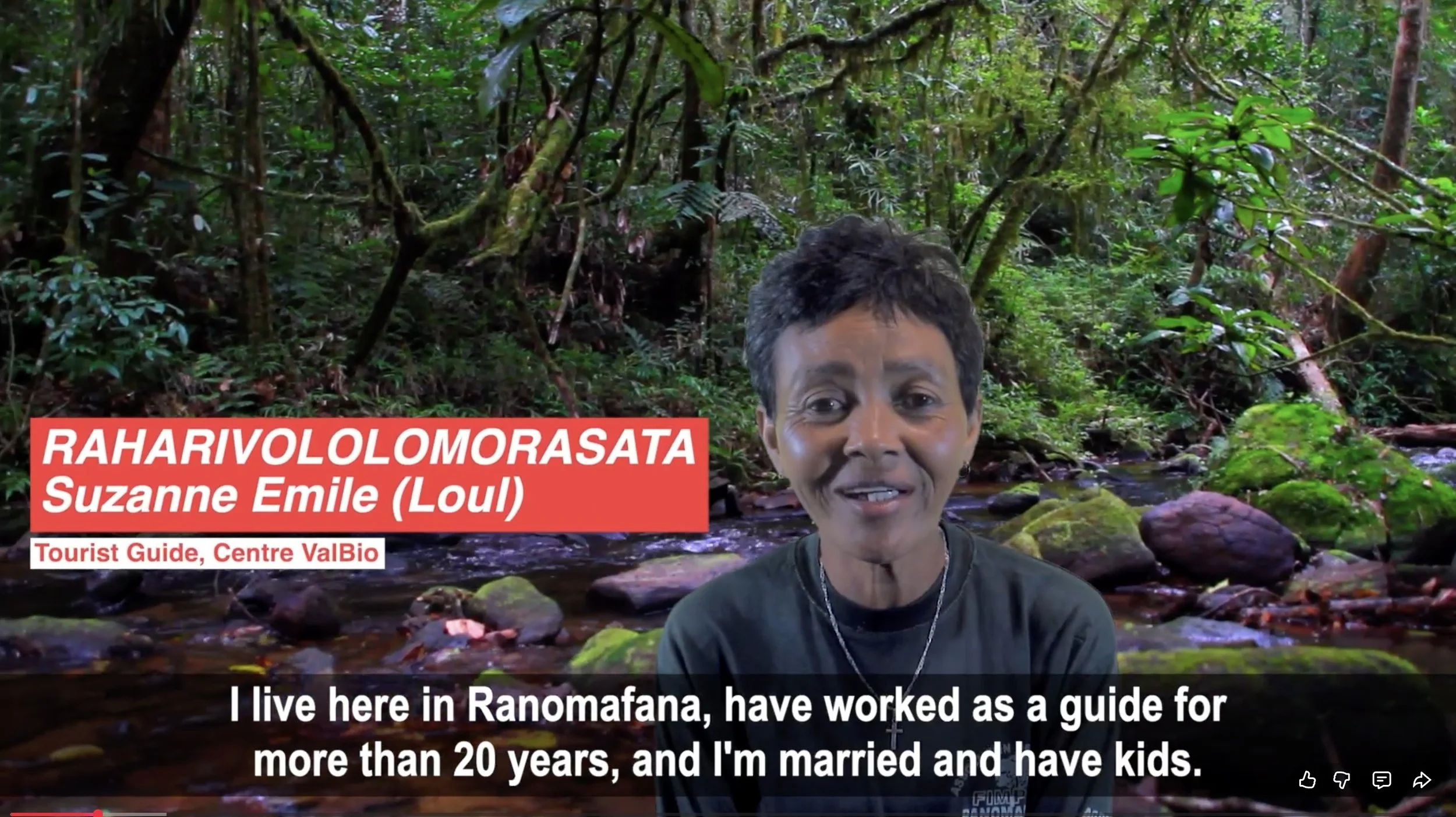
RAHARIVOLOLOMORASATA Suzanne Emile (Loul)
Loul Raharivololomorasata has over 20 years of experience as a guide in Ranomafana. Formerly a farmer, she joined a park training program in 2000 and initially found it challenging to balance work with family life. Over time, she adapted and came to value the atmosphere and sense of purpose guiding provides more than financial reward. Loul reflects on how the establishment of the park created new opportunities for local people and contributed to population growth and employment. She recalls earlier practices of using forest materials for household items and hunting wildlife, and contrasts this with current conservation values. Loul describes memorable wildlife encounters, including observing the aye-aye during night camping and identifying bird species through vocalizations. She believes conservation will only succeed if people’s livelihoods improve and stresses the importance of protecting the forest collectively.
Themes:
Livelihoods & Pathways into Conservation; Women in Conservation; Birds; Lemurs; Forest Change & Habitat Loss; Forest Protection; Human–Wildlife Interdependence
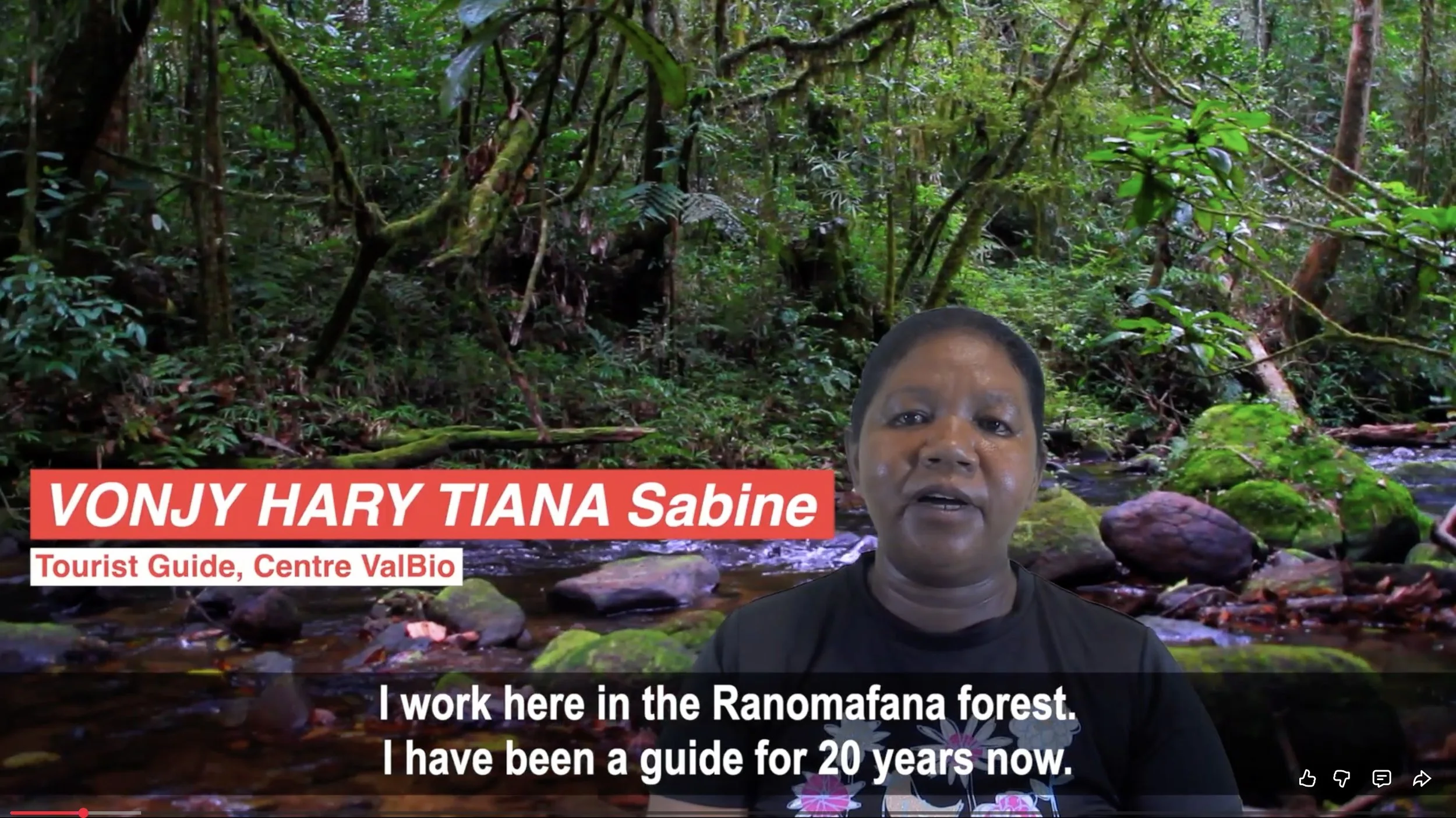
VONJY Sabine
Sabine Vonjy has worked as a guide in Ranomafana for over 20 years and has family connections to the forest dating back to before it became a national park. She describes the training process required to become a certified guide and the skills needed to adapt tours to visitors with different interests and backgrounds. Sabine reflects on the challenges of balancing guiding work with family responsibilities, noting that although men and women are equal, the expectations placed on them differ. She emphasizes the importance of sharing the history of the park, local customs, and conservation rules with visitors. Sabine recounts rare wildlife encounters, including sightings of the crested ibis, and observes recent changes in rainfall patterns that affect both plants and animals. She believes that exchanging knowledge with visitors strengthens conservation and encourages respect for the forest.
Themes:
Women in Conservation; Environmental Education & Youth Engagement; Forest Change & Habitat Loss; Climate Change Impacts; Cultural Knowledge & Interpretation; Forest Protection; Human–Wildlife Interdependence
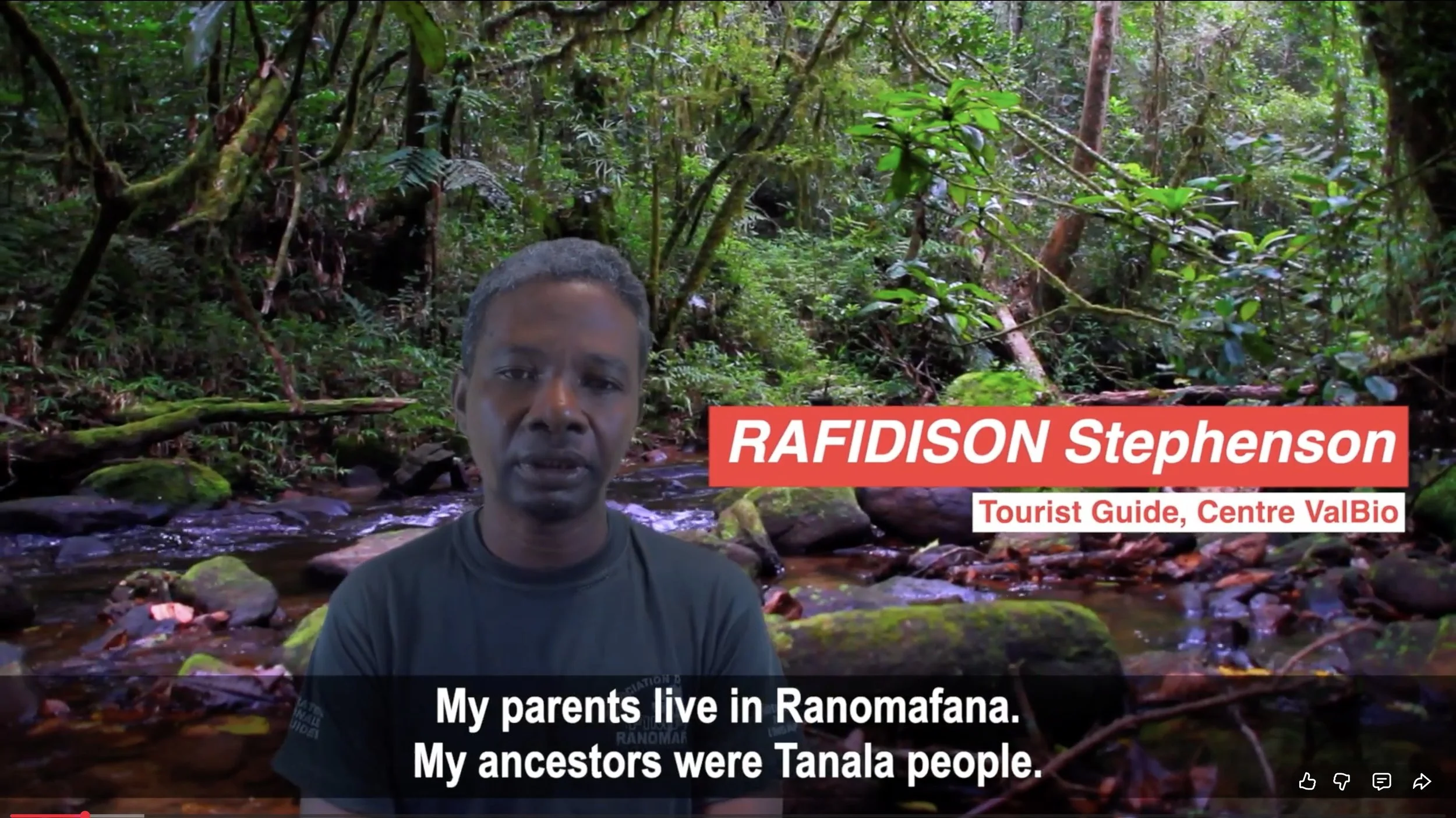
RAFIDISON Stephen (Stephenson)
Stephen Rafidison is a member of the Tanala community from Ranomafana and spent much of his childhood in the forest alongside his father, a forest agent. His father was among those who granted Dr. Patricia Wright permission to begin research in the area, and Stephen later supported early projects as a porter before becoming involved in research himself. He first worked on butterfly studies and later expanded his knowledge to birds and lemurs. Stephen reflects on how species identities have changed over time as scientific understanding improved, including cases where birds once thought to be a single species were later recognized as distinct. He recounts rare sightings observed during his career and discusses the ecological roles animals play in forest regeneration. Stephen expresses a strong interest in learning more languages and medicinal plants, which he believes could contribute to community health and future research.
Themes:
Local Ecological Knowledge; Livelihoods & Pathways into Conservation; Birds; Lemurs; Species Discovery & Taxonomy; Ecosystem Roles; Environmental Education & Youth Engagement; Forest Protection
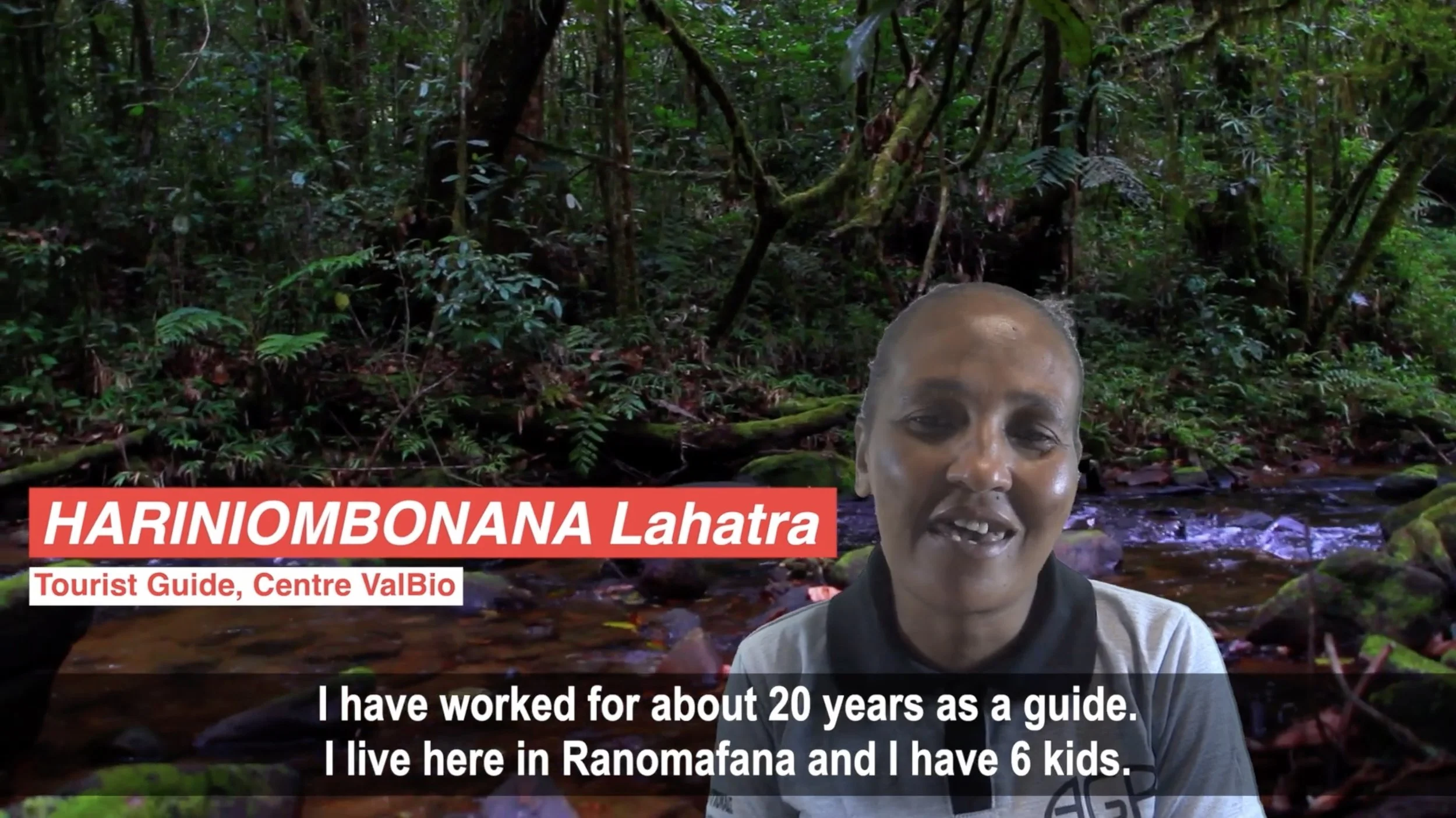
HARINIOMBONANA Lahatra
Lahatra Hariniombonana has worked as a guide in Ranomafana for over 20 years, beginning with her first job in the forest. She describes how lemurs once appeared even at the park entrance, as if welcoming visitors, and reflects on how the forest has changed since Ranomafana became a national park and UNESCO World Heritage site. Lahatra refers to the forest as her “school,” a place where she learned how to communicate, support her family, and manage stress. She recounts memorable observations of lemurs, including a rare case of a red-bellied lemur giving birth to an unusually colored infant. Lahatra also discusses the importance of medicinal plants and expresses a desire to learn how they can be cultivated outside the forest to improve livelihoods while reducing pressure on wild populations. She emphasizes that sharing the beauty and value of the forest helps others understand why it must be protected.
Themes:
Livelihoods & Pathways into Conservation; Lemurs; Forest Change & Habitat Loss; Medicinal Plants & Traditional Knowledge; Environmental Education & Youth Engagement; Forest Protection; Human–Wildlife Interdependence
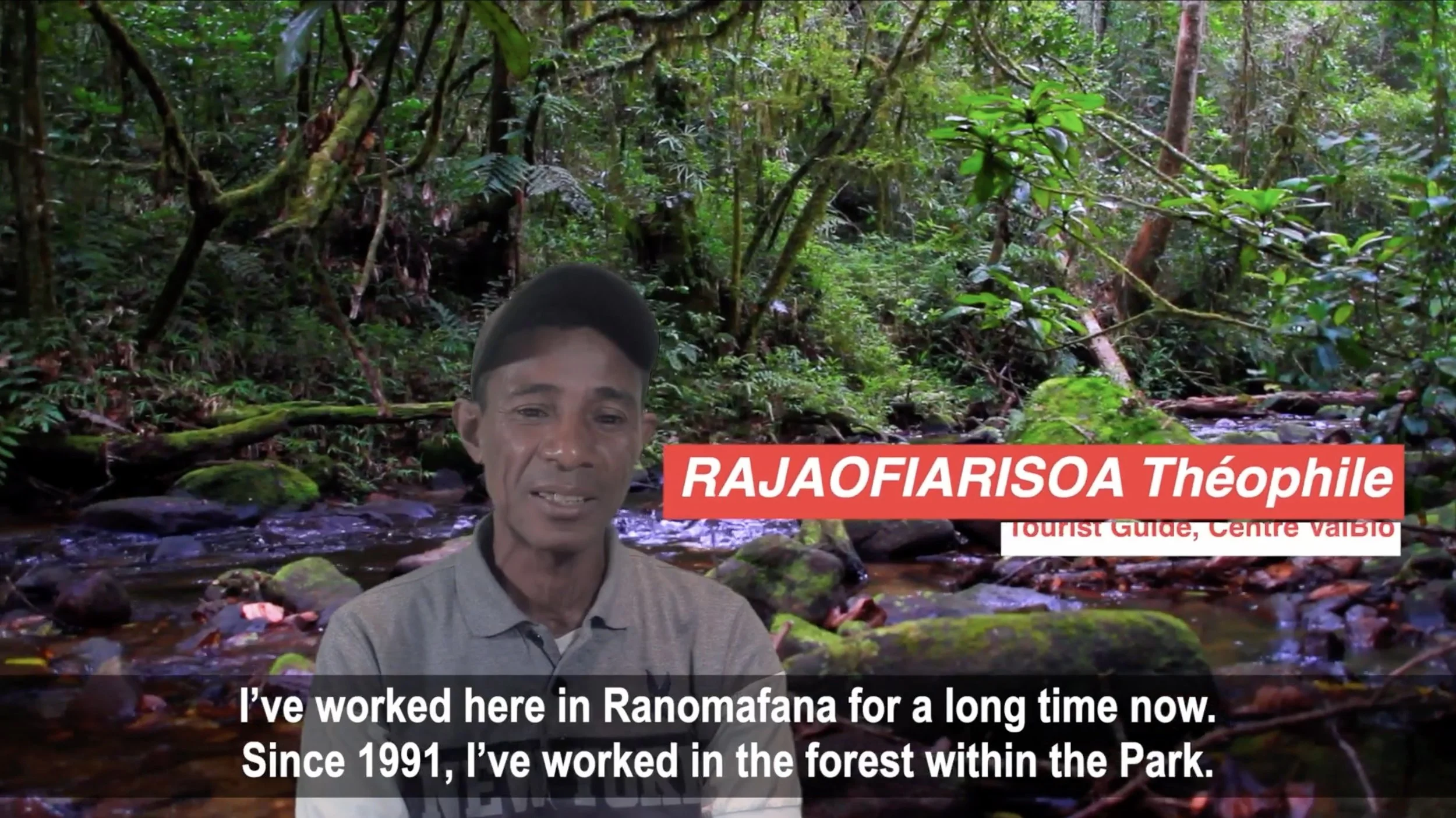
RAJAOFIARISOA Theophile (Theo)
Therophile Rajaofiarisoa has worked in Ranomafana since 1991, initially exploiting forest resources before transitioning into guiding and conservation work. Through learning about animals and plants, he became committed to raising awareness among both Malagasy people and foreign visitors about the importance of protecting the forest. He recounts the naming of the frog Anodonthyla theoi in his honor and discusses the diverse reproductive strategies of amphibians, including species that bypass the tadpole stage. Therophil also describes encounters with what may be an undocumented snake species, highlighting the forest’s continued potential for discovery. He reflects on the COVID-19 period as a time when reduced human disturbance allowed wildlife to behave more naturally. Therophil views increased knowledge and curiosity as essential tools for conservation and believes that protecting the forest depends on shared responsibility.
Themes:
Livelihoods & Pathways into Conservation; Amphibians; Species Discovery & Taxonomy; Animal Reproductive Strategies; Post-COVID Ecological Change; Forest Protection; Human–Wildlife Interdependence
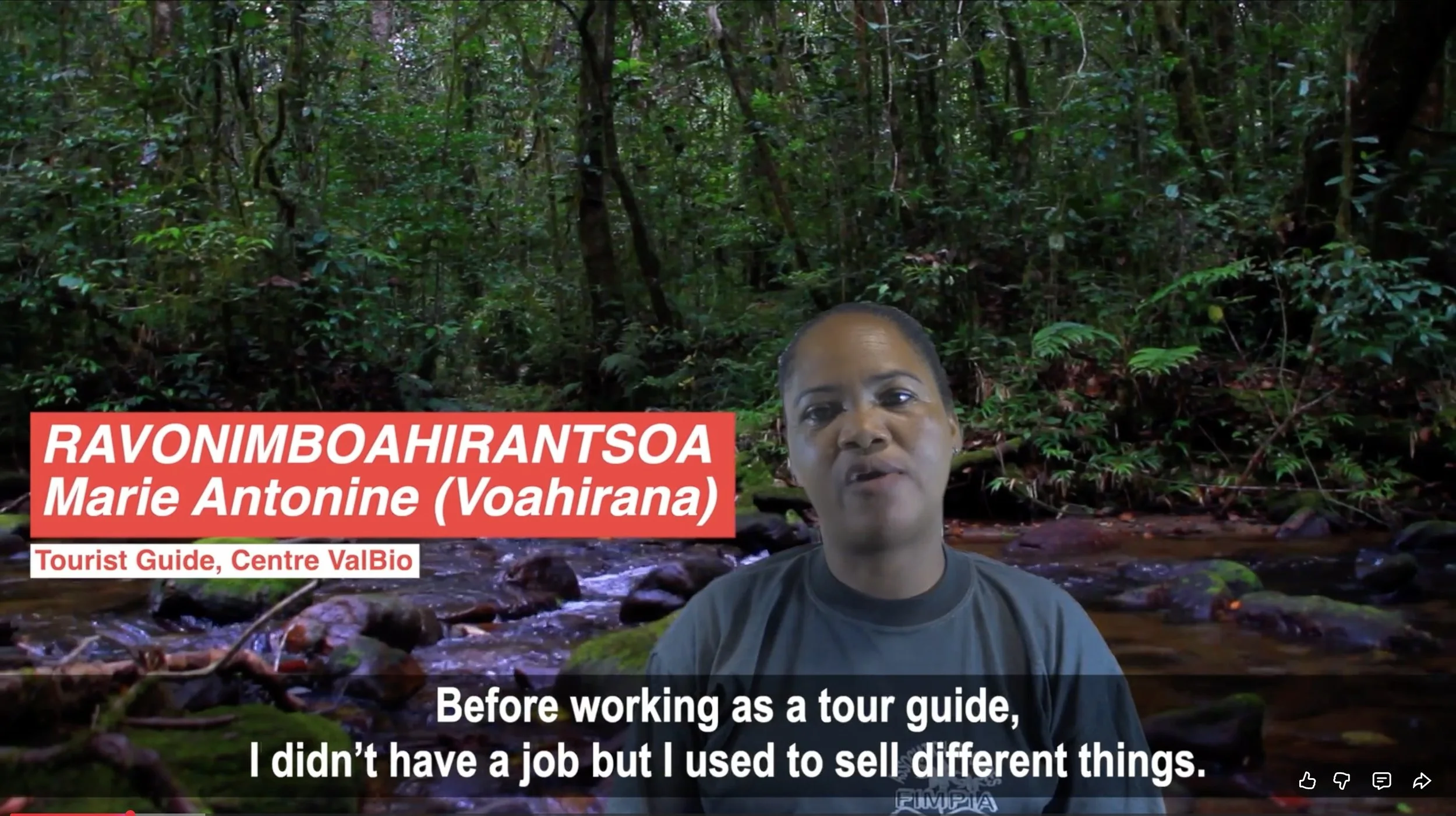
RAVONIMBOAHIRANTSOA Voahirana
Voahirana Ravonimboahirantsoa has worked as a guide in Ranomafana since 1998, transitioning from informal work into guiding through her strong interest in nature. She learned from experienced guides and received training in first aid and rescue, emphasizing the importance of visitor safety in the forest. Voahirana discusses how different visitors—by age and country—bring different interests and expectations, requiring guides to adapt their interpretation. She highlights the important role women play in conservation, noting that women are often listened to because of their perceived maturity and responsibility. Voahirana also speaks about medicinal plants, including species that have been scientifically tested and others known through long-standing community use. She expresses concern about species at risk of extinction, particularly the greater bamboo lemur, and emphasizes the shared responsibility of protecting the forest for future generations.
Themes:
Women in Conservation; Environmental Education & Youth Engagement; Medicinal Plants & Traditional Knowledge; Lemurs; Species Decline & Emerging Threats; Forest Protection; Human–Wildlife Interdependence
Research Technicians:
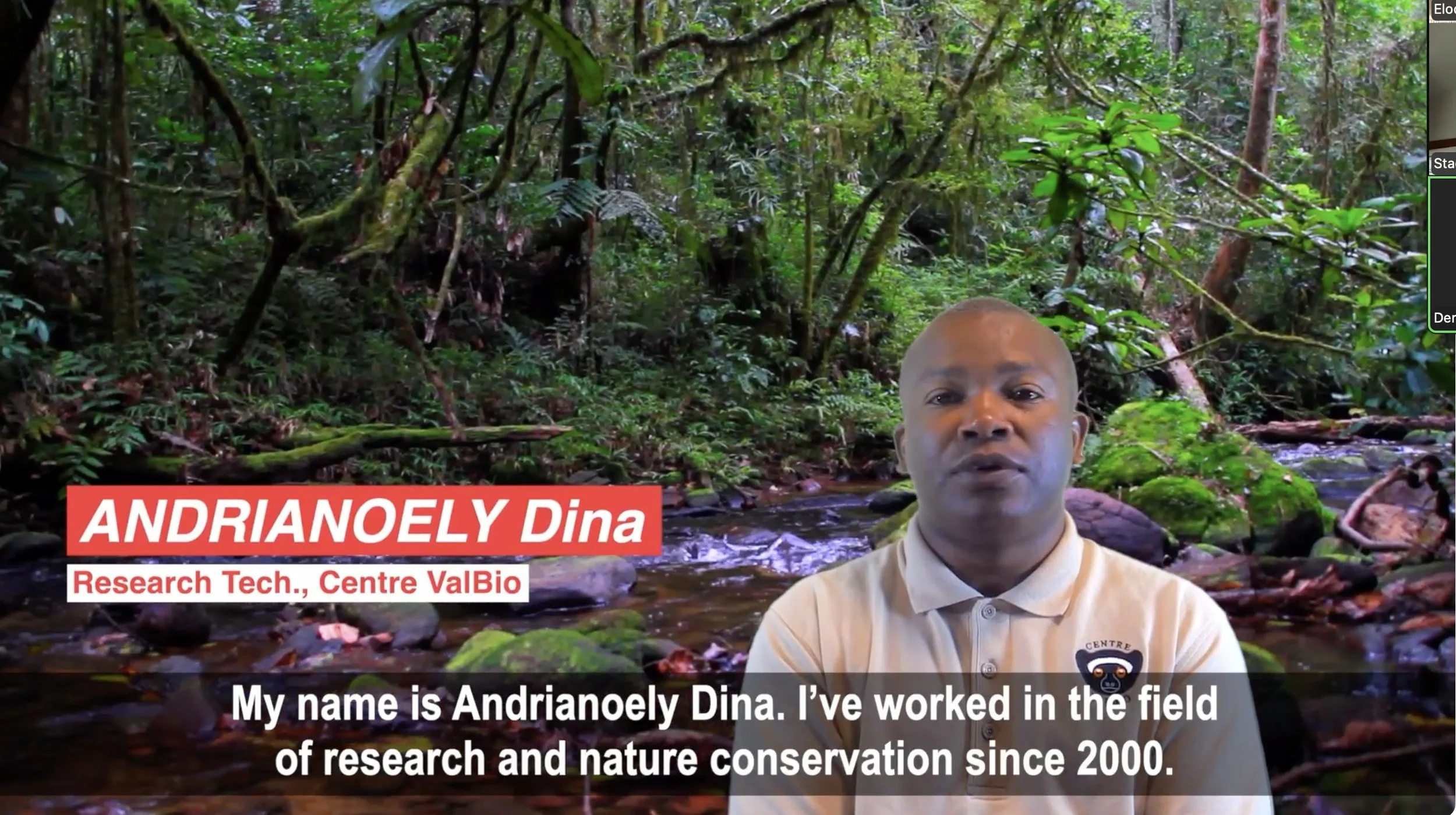
ANDRIANOELY Dina
Andrianoely Dina has worked in research and conservation in Ranomafana since 2000, combining scientific fieldwork with oral histories passed down by elders. He reflects on the creation of the national park and how changes in governance, infrastructure, and population growth have reshaped the forest and reduced overall forest cover. His research focuses on lemurs, particularly the sifaka (Propithecus edwardsi), whose behavior and life history he has studied through long-term monitoring. Dina recounts rare observations of mother–infant interactions, highlighting the importance of sustained local presence in research. He also describes receiving training in spatial analysis through a GIS scholarship at UC Davis, and how mapping and cartography are now used to support conservation planning in Ranomafana. He notes behavioral changes in wildlife during the COVID-19 park closure, when reduced human presence altered patterns of habituation.
Themes:
Local Ecological Knowledge; Lemurs; Research Protocols & Data Collection; Spatial Data & Mapping (GPS / GIS); Forest Change & Habitat Loss; International Training & Exchange; Post-COVID Ecological Change
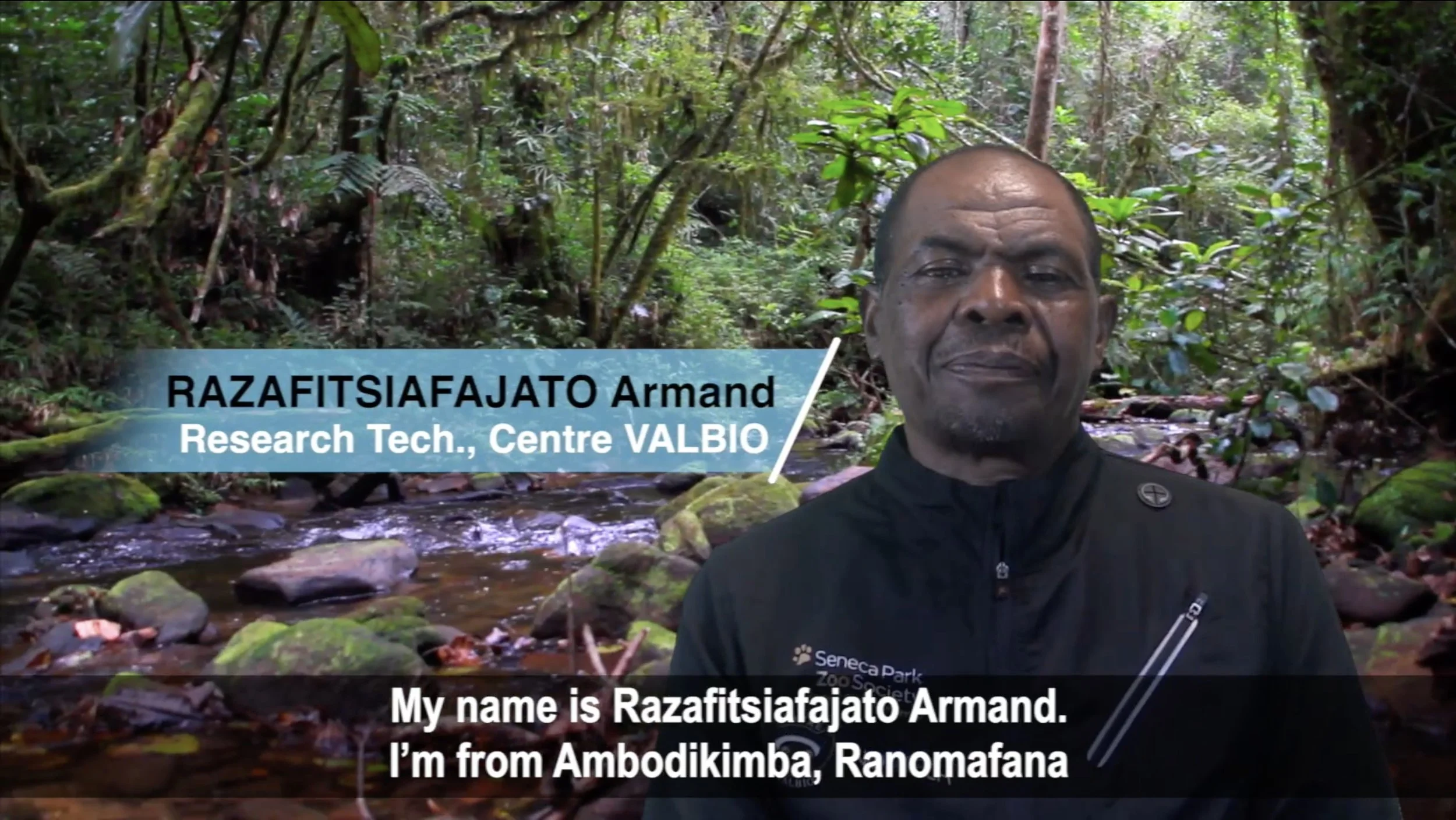
RAZAFITSIAFAJATO ARMAND
Razafitsiafajato Armand began his working life collecting tree roots and farming, experiences that provided him with detailed knowledge of forest plants and animal diets. In 2000, this knowledge led him to work with researchers in Ranomafana, where he became a specialist in plant phenology until his recent passing. His work at Ranomafana involved monthly monitoring of flowers, fruits, and leaves to track seasonal food availability for wildlife. Armand contributed to large-scale research initiatives such as the TEAM Network, establishing botanical plots and using camera traps to study animal feeding behavior. During this work, he discovered a previously undocumented plant species, Ascarina coursii, now known from a single specimen. He stresses that conserving the forest is essential not only for biodiversity, but for ensuring that ecological knowledge and resources remain available to future generations. Armand’s impact will not be forgotten.
Themes:
Livelihoods & Pathways into Conservation; Plant Phenology & Botany; Research Protocols & Data Collection; Species Discovery & Taxonomy; Forest Protection; Human–Wildlife Interdependence
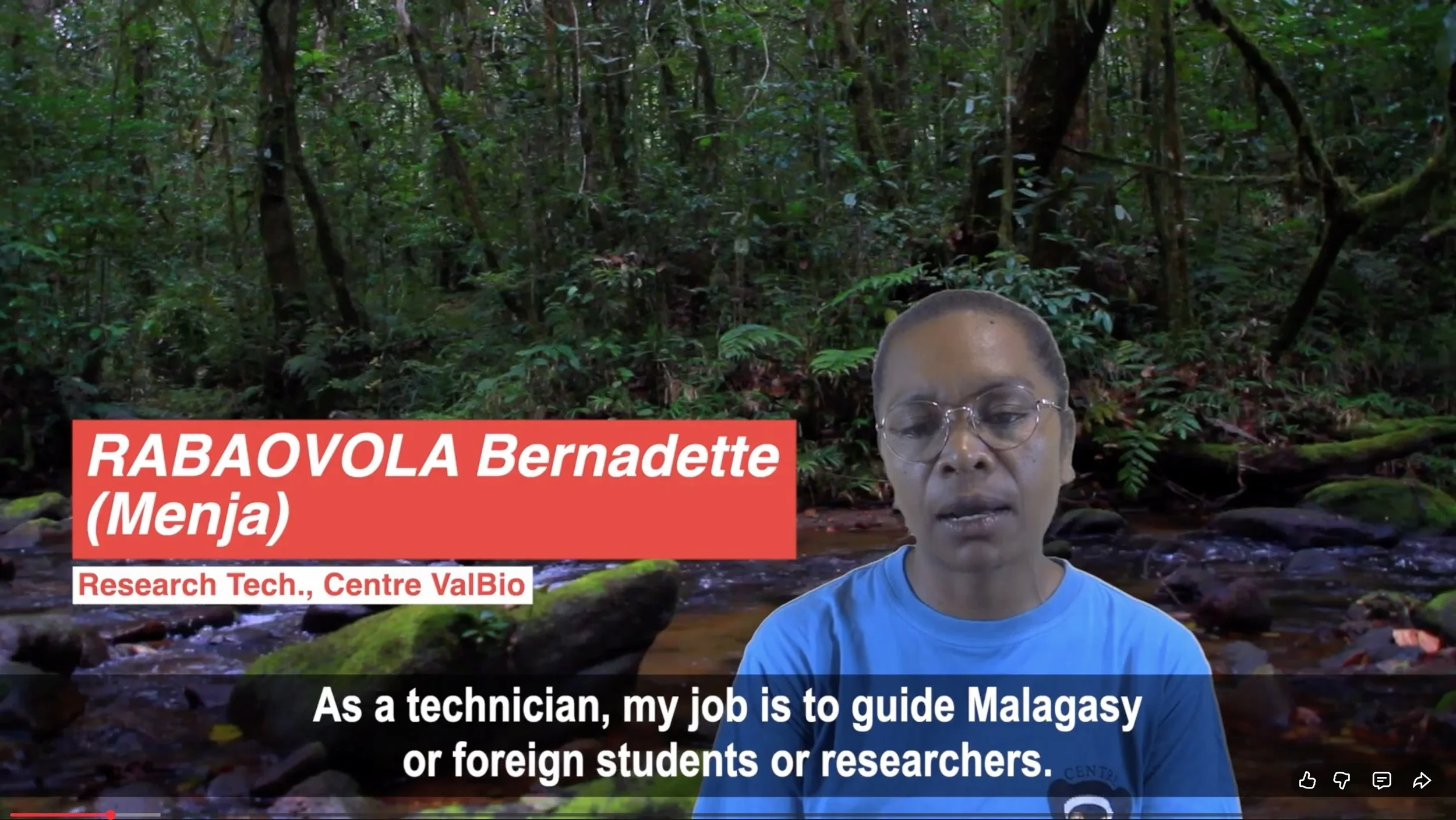
RABAOVOLA Bernadette (Menja)
Rabaovola Bernadette, known as Menja, has worked in Ranomafana for over 21 years. She began as a cook at age 19 before transitioning into field research, driven by a desire to learn about the forest. Today, she works as a research technician, guiding students and researchers while conducting detailed lemur monitoring using GPS and behavioral observations. Menja has extensive knowledge of species such as Eulemur rufifrons, Eulemur rubriventer, and bamboo lemurs, and explains how fruit availability influences daily ranging patterns. She describes the challenges of fieldwork, including extended searches when animals cannot be located. Beyond research, she is deeply involved in community outreach and youth-focused conservation education. Menja also emphasizes the importance of separating tourism from research, as human presence can alter animal behavior and compromise data quality.
Themes:
Lemurs; Animal Monitoring & Tracking; Spatial Data & Mapping (GPS / GIS); Women in Conservation; Environmental Education & Youth Engagement; Human–Wildlife Interdependence
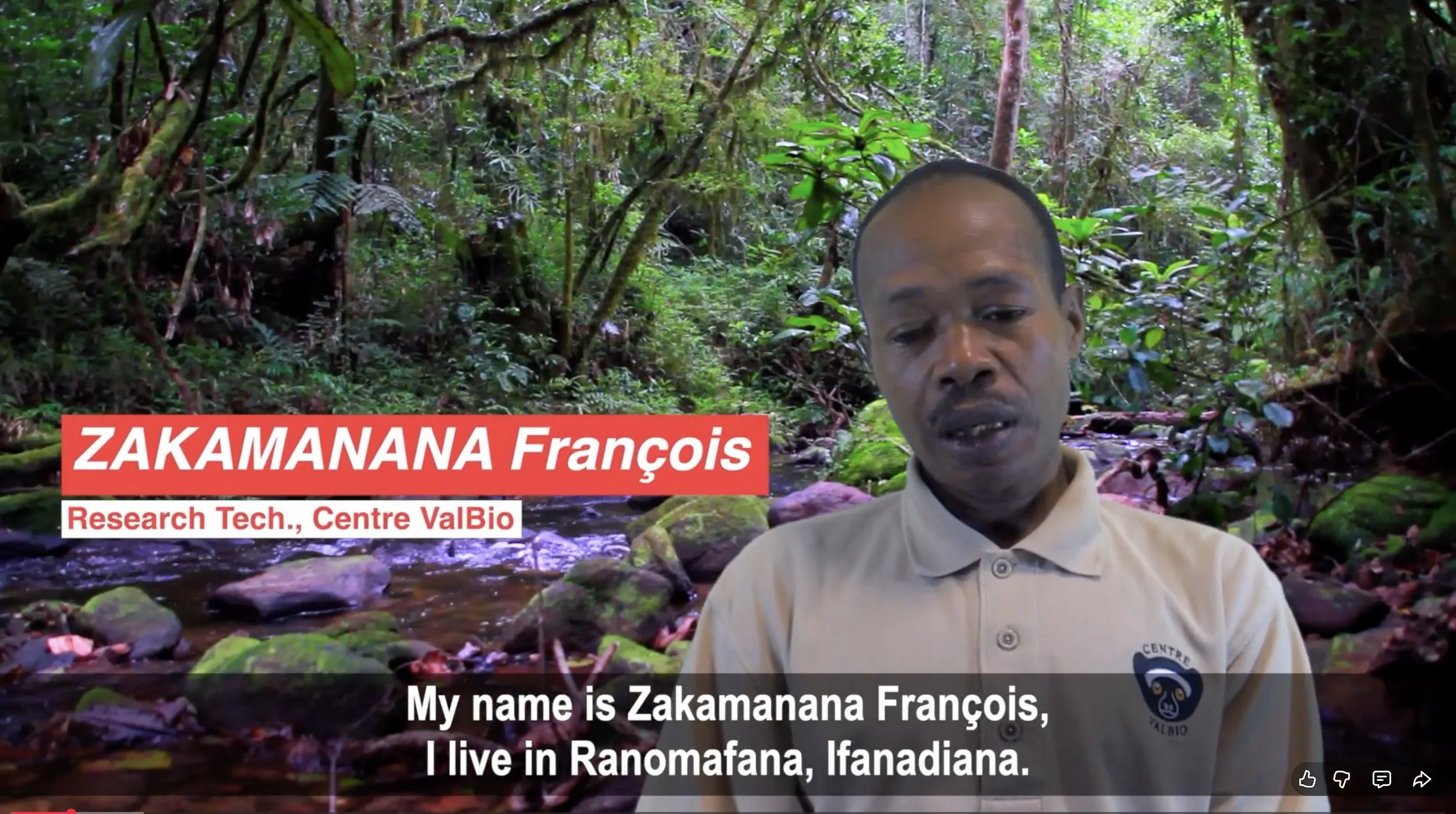
ZAKAMANANA Francois (Zaka)
Zakamanana François began working in Ranomafana as a teenager after his father introduced him to early research efforts in the forest. Initially employed as a cook, he later requested training to learn scientific field methods, including species identification and data collection. His first projects involved identifying birds, insects, trees, and mammals, and he developed a strong ability to recognize animal vocalizations, which he demonstrates through sound imitations. François reflects on similarities between human social life and that of red-bellied lemurs, particularly infant care and family structure. He recounts a rare observation of a white mouse lemur (Microcebus sp.), seen only once in his lifetime. François emphasizes the interdependence between humans, animals, and the forest, particularly the shared need for clean air and water. He advocates for reforestation through tree nurseries that provide food for lemurs and support long-term forest sustainability.
Themes:
Livelihoods & Pathways into Conservation; Local Ecological Knowledge; Lemurs; Birds; Acoustic Monitoring (Animal Vocalizations); Human–Wildlife Interdependence; Reforestation & Restoration; Forest Protection
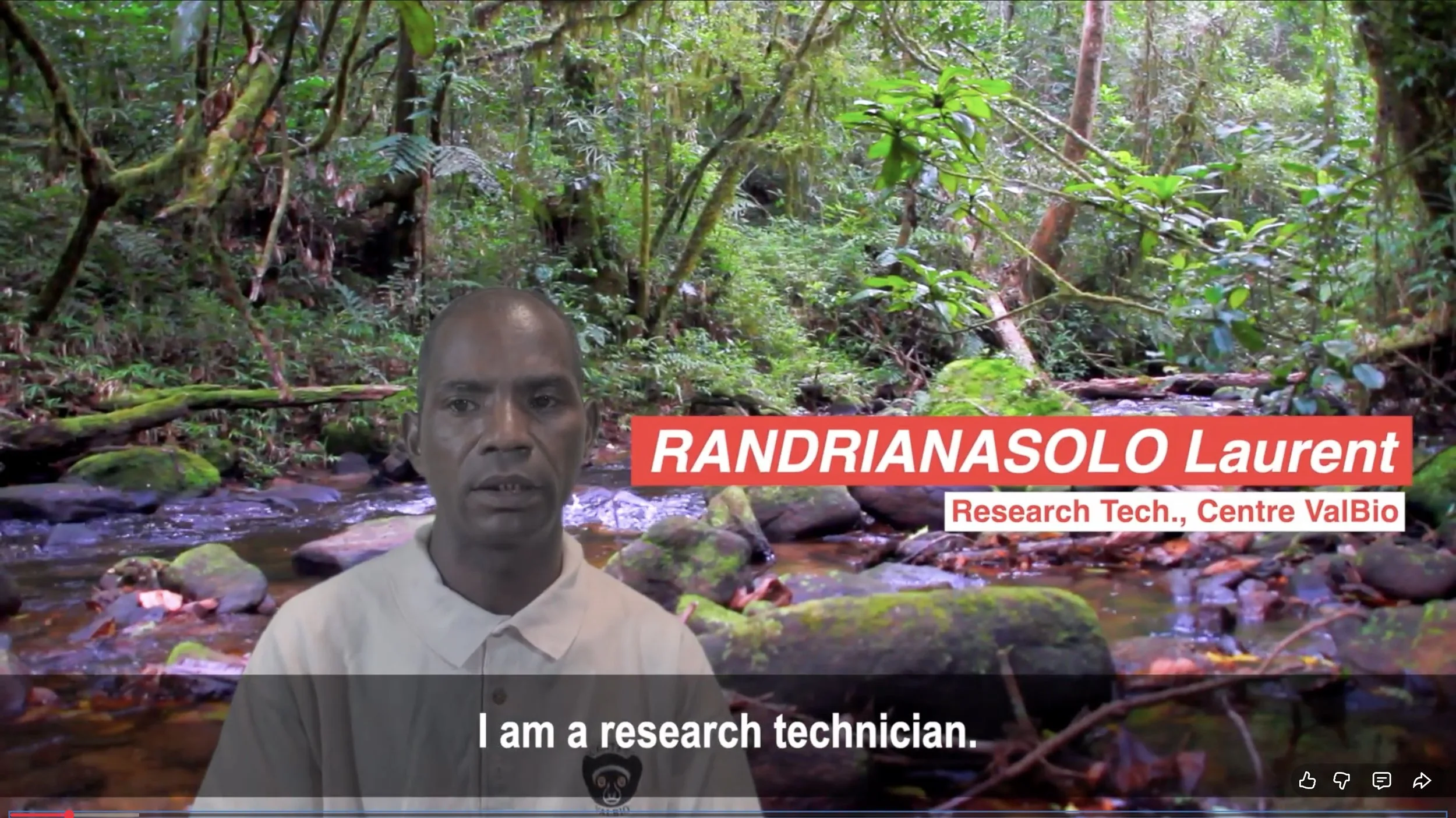
RANDRIANASOLO Laurent
Randrianasolo Laurent began working at the Talatakely research camp in 1999, before the construction of Centre ValBio. Through his work with researchers, he learned English and developed expertise in standardized data collection protocols, including full-day focal follows of individual animals. His research has included parasite monitoring, fecal sample collection, and lemur capture for biological sampling, which he describes as essential for accurate monitoring and sex identification. Laurent explains the ecological importance of lemurs as seed dispersers, contrasting their role with sifakas, which often destroy seeds during feeding. He also discusses interspecies interactions, such as birds alarming predators and indirectly warning lemurs. Drawing on long-term experience, Laurent describes shifts in fruiting patterns, breeding seasons, and species behavior linked to climate change. He notes positive changes in forest protection over time and highlights how research has helped shift local perceptions of animals such as the aye-aye.
Themes:
Research Protocols & Data Collection; Lemurs; Seed Dispersal & Ecosystem Roles; Acoustic Monitoring (Animal Vocalizations); Climate Change Impacts; Forest Change & Habitat Loss; Forest Protection; Local Ecological Knowledge
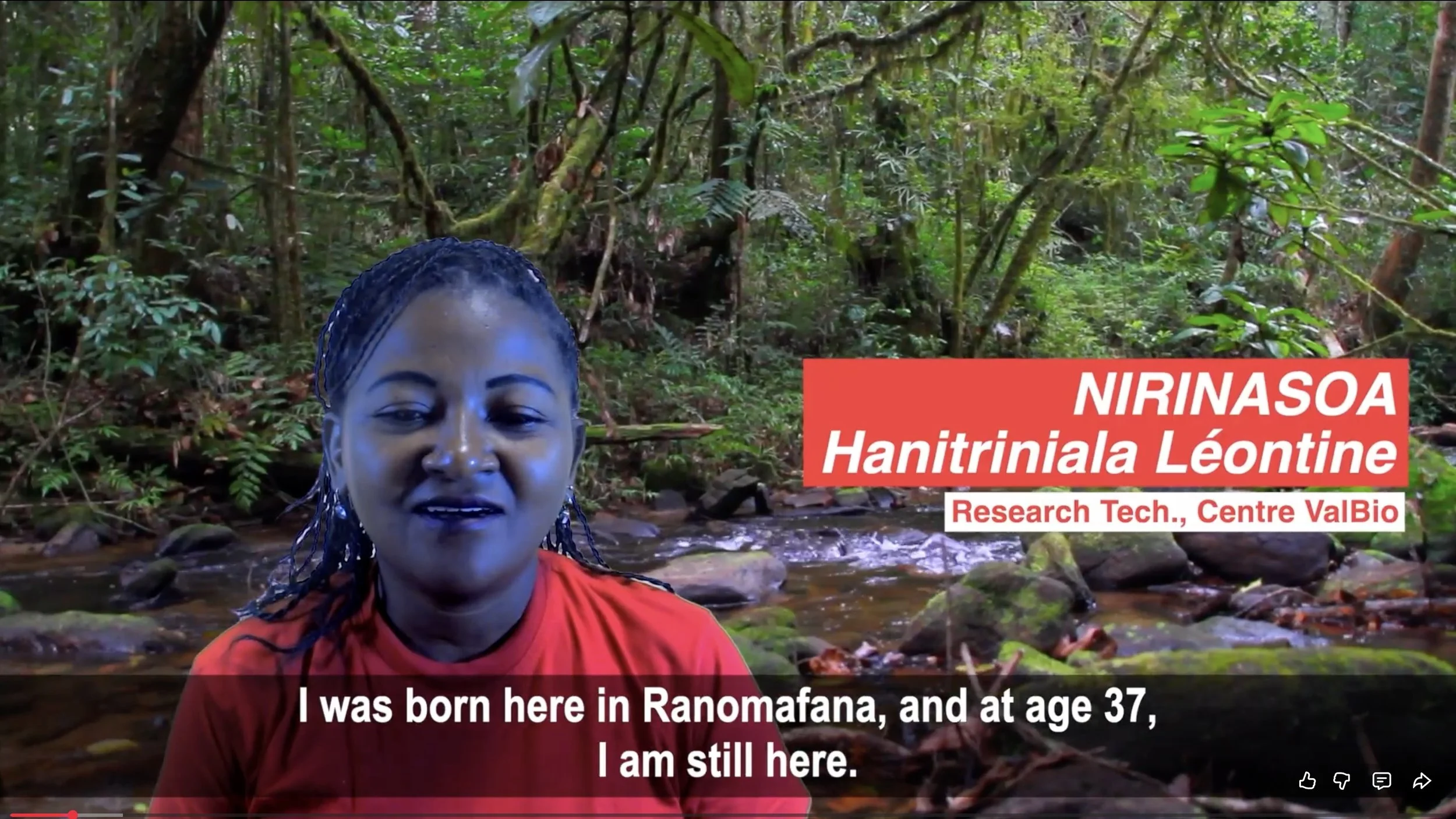
NIRINASOA Léontine
Nirinasoa Hanitriniala Léontine was born and raised in Ranomafana and has worked in the park since 2008. She transitioned from being a housewife to a guide and research technician by closely observing other guides and gradually building her skills, despite initially not speaking French or English. Léontine specializes in locating animals, identifying trees, and monitoring lemurs, particularly the golden bamboo lemur (Hapalemur aureus). She describes how feeding behavior can be linked to weather patterns and explains the challenges of fieldwork during heavy rains. Through workshops, she gained training in botany, herbarium techniques, and sample collection. Léontine reflects on the challenges of balancing work with family responsibilities, emphasizing that conservation work is not only for men. She also raises concerns about illegal logging and gold mining deep in the forest, which threaten water sources, local communities, and long-term forest health.
Themes:
Women in Conservation; Livelihoods & Pathways into Conservation; Lemurs; Plant Phenology & Botany; Research Protocols & Data Collection; Forest Protection; Human–Wildlife Interdependence
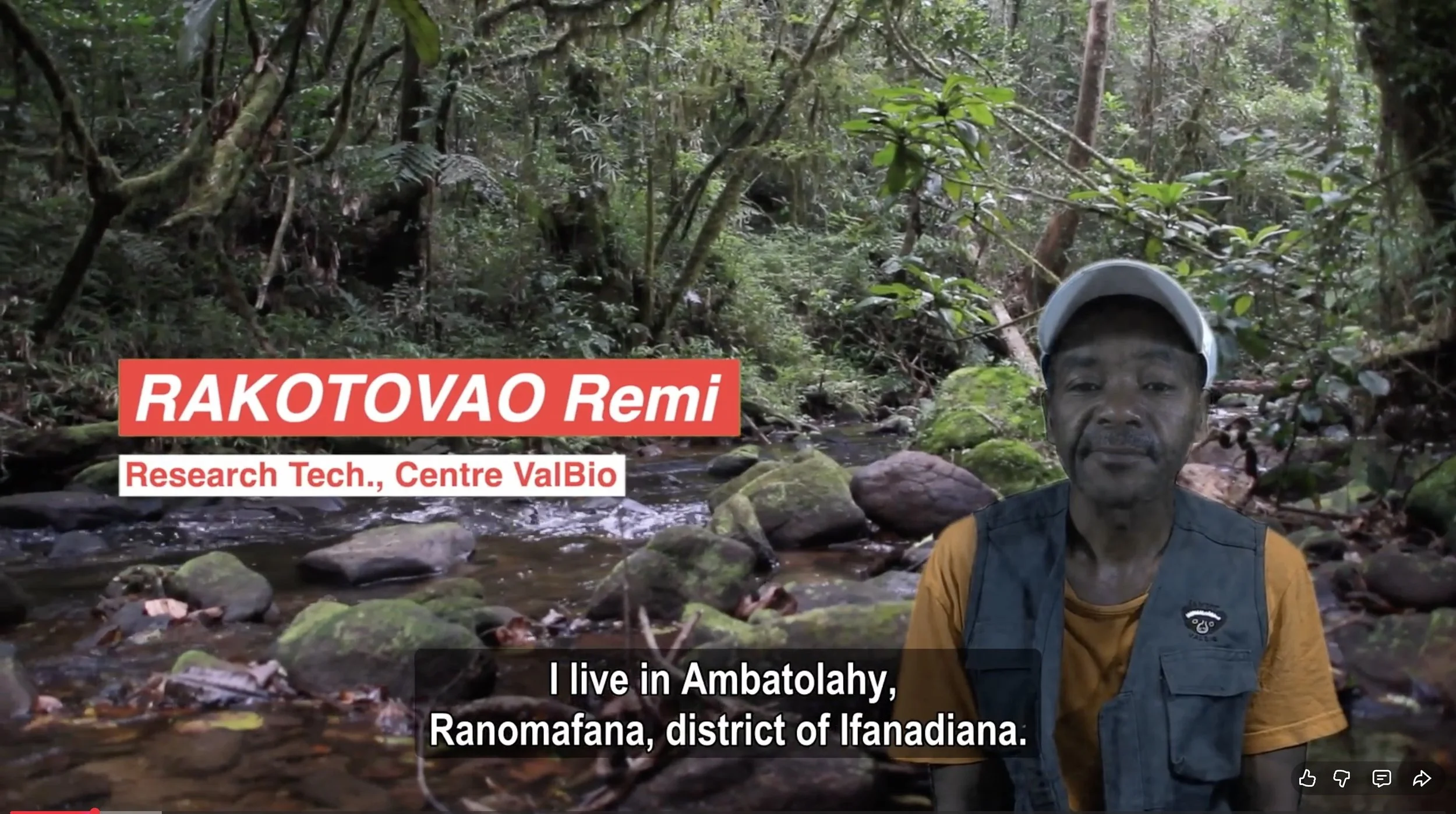
RAKOTOVAO Remi
Rakotovao Remi began working in Ranomafana in the mid-1990s, before the establishment of Centre ValBio, contributing to long-term studies of sifakas (Propithecus edwardsi) and their feeding behavior. He explains that much of his ecological knowledge comes from growing up in the forest, where he helped raise cattle and learned to recognize birds and tree species. Remi demonstrates bird vocalizations and describes how birds often follow him to catch insects disturbed as he walks. He notes changes in forest composition over time, including the disappearance or decline of certain tree species. Outside of research, he maintains fish ponds and gardens, reflecting a close connection between forest health and food security. Remi emphasizes the importance of protecting and restoring the forest to ensure clean air, water, and sufficient habitat for wildlife, advocating for reforestation through seedling production while there is still time.
Themes:
Livelihoods & Pathways into Conservation; Local Ecological Knowledge; Lemurs; Birds; Forest Change & Habitat Loss; Reforestation & Restoration; Forest Protection; Human–Wildlife Interdependence
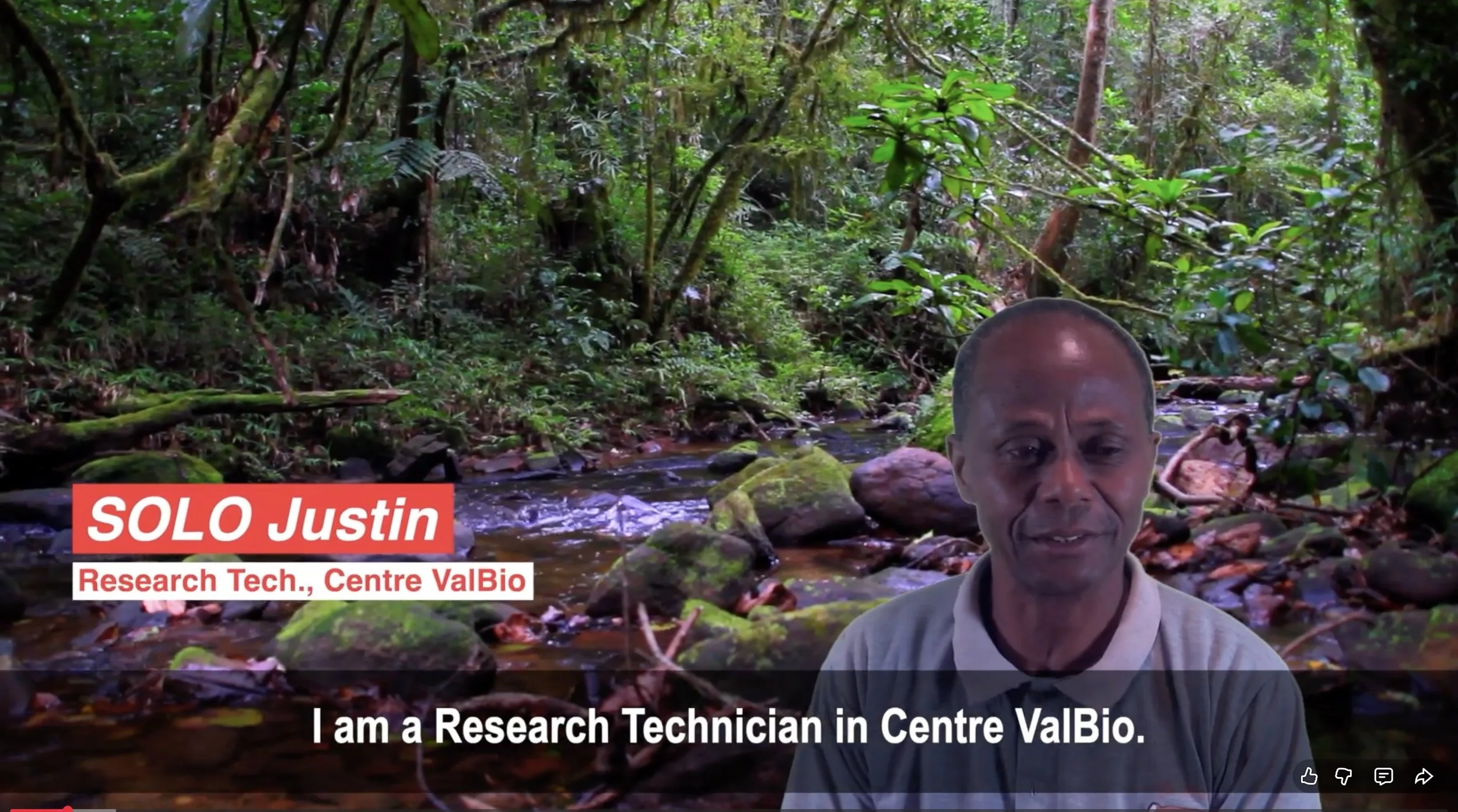
SOLO Justin
Justin Solo, a native of Ranomafana, grew up spending much of his childhood in the forest, which shaped his interest in wildlife research. After meeting Dr. Patricia Wright, he began working in the park and later specialized in amphibian studies, focusing on frog identification through vocalizations. He explains how acoustic monitoring is used to document species diversity, seasonal calling patterns, and reproductive behavior. His work has contributed to the discovery and description of numerous frog species in Ranomafana. Justin describes frogs as “the ornament of the forest,” emphasizing their ecological role in controlling insect populations. He also notes that climate change has altered breeding and calling timing in response to shifting rainfall patterns. He advocates for conservation approaches that prioritize local communities and encourage young people to value and protect the forest.
Themes:
Amphibians; Acoustic Monitoring (Animal Vocalizations); Research Protocols & Data Collection; Climate Change Impacts; Environmental Education & Youth Engagement; Forest Protection
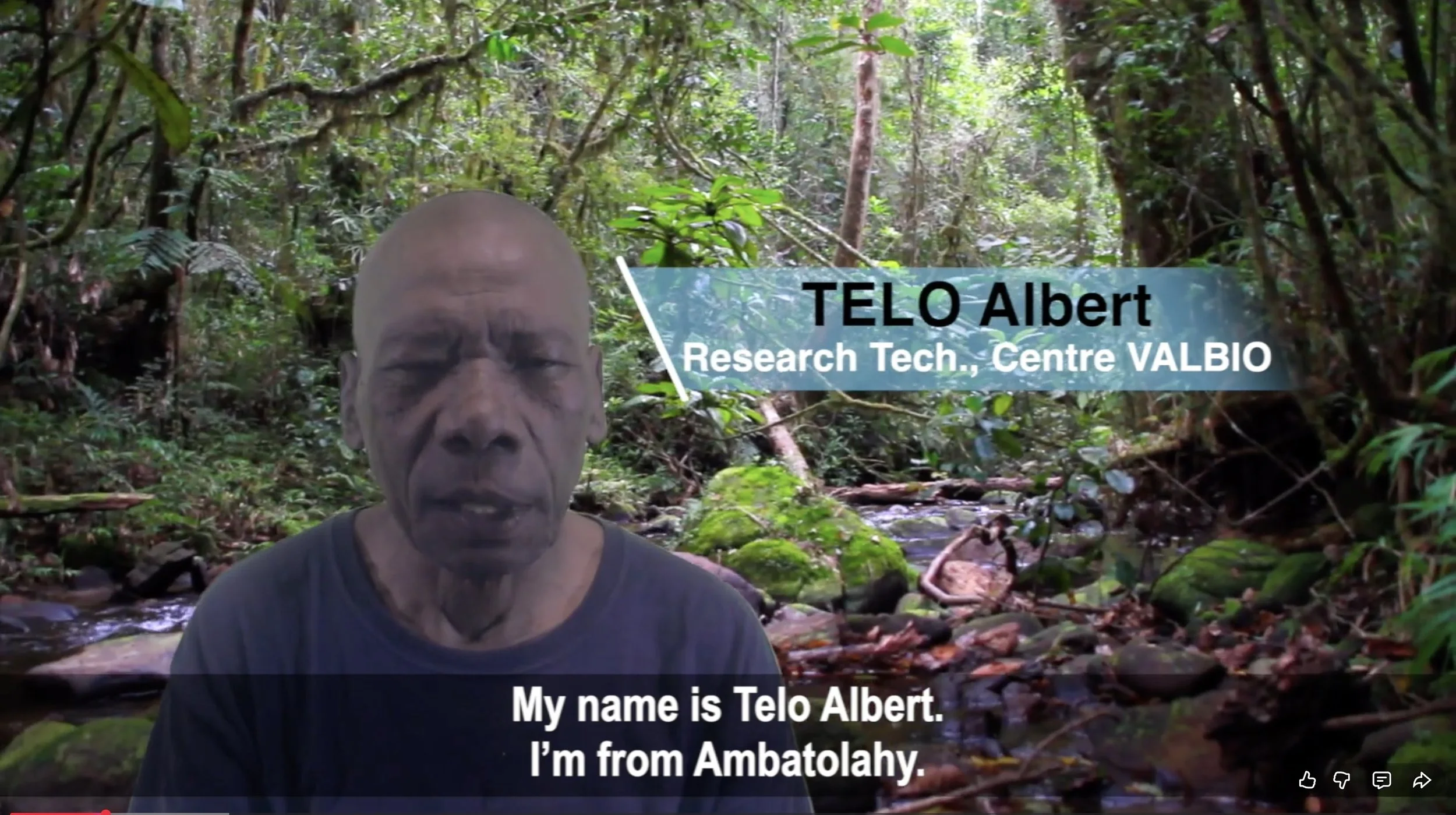
TELO Albert
Albert Telo is the grandson of the king of Ambatolahy and later assumed the role of mpanjaka, a position that today functions primarily as a spokesperson and representative for the community. Alongside his responsibilities at home, he works at Centre ValBio as a guide and research assistant, supporting data collection and community health initiatives. Albert describes his particular enjoyment of lemur monitoring and recalls his surprise at learning that bamboo lemurs feed extensively on bamboo, contradicting local beliefs that only rats ate it. He explains that forest conservation has led to visible ecological recovery, including increased forest cover and improved water availability for rice cultivation. Albert also discusses the ecological role of lemurs as effective seed dispersers, noting that seeds germinate more rapidly after passing through the digestive system. He emphasizes that protecting the forest directly supports both wildlife and human wellbeing.
Themes:
Local Leadership & Governance; Lemurs; Research Protocols & Data Collection; Forest Change & Habitat Loss; Human–Wildlife Interdependence; Community Health & Wellbeing; Forest Protection
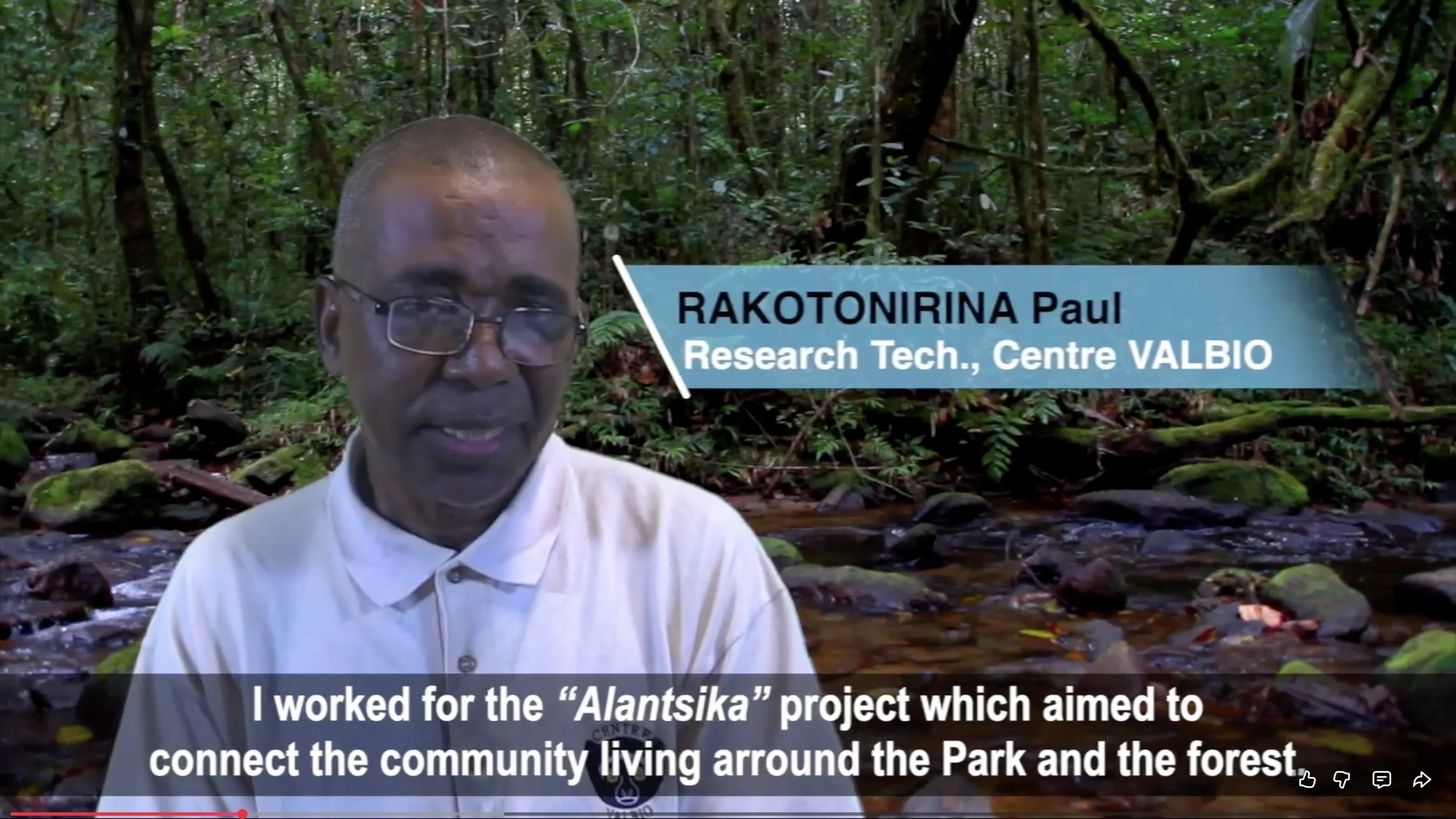
RAKOTONIRINA Paul
Paul Rakotonirina is a senior research technician specializing in botany and community-linked conservation initiatives. He worked on the Alantsika project, which aimed to strengthen connections between local communities and the forest by improving understanding of lemurs and their ecological importance. Paul explains that when the national park was established, many local people initially resisted because they lost access to traditional food sources. In response, conservation programs supported alternative livelihoods, including improved agricultural techniques, apiculture, pisciculture, and livestock rearing. He describes these initiatives as successful in reducing pressure on the forest. Paul also recounts the sudden decline of several Calophyllum tree species beginning in 2016, a disease that remains unidentified despite investigation by universities. He notes the return of ruffed lemurs (Varecia) to secondary forest and stresses the importance of teaching children to value the environment from a young age.
Themes:
Plant Phenology & Botany; Livelihoods & Pathways into Conservation; Environmental Education & Youth Engagement; Forest Change & Habitat Loss; Species Decline & Emerging Threats; Forest Protection; Human–Wildlife Interdependence
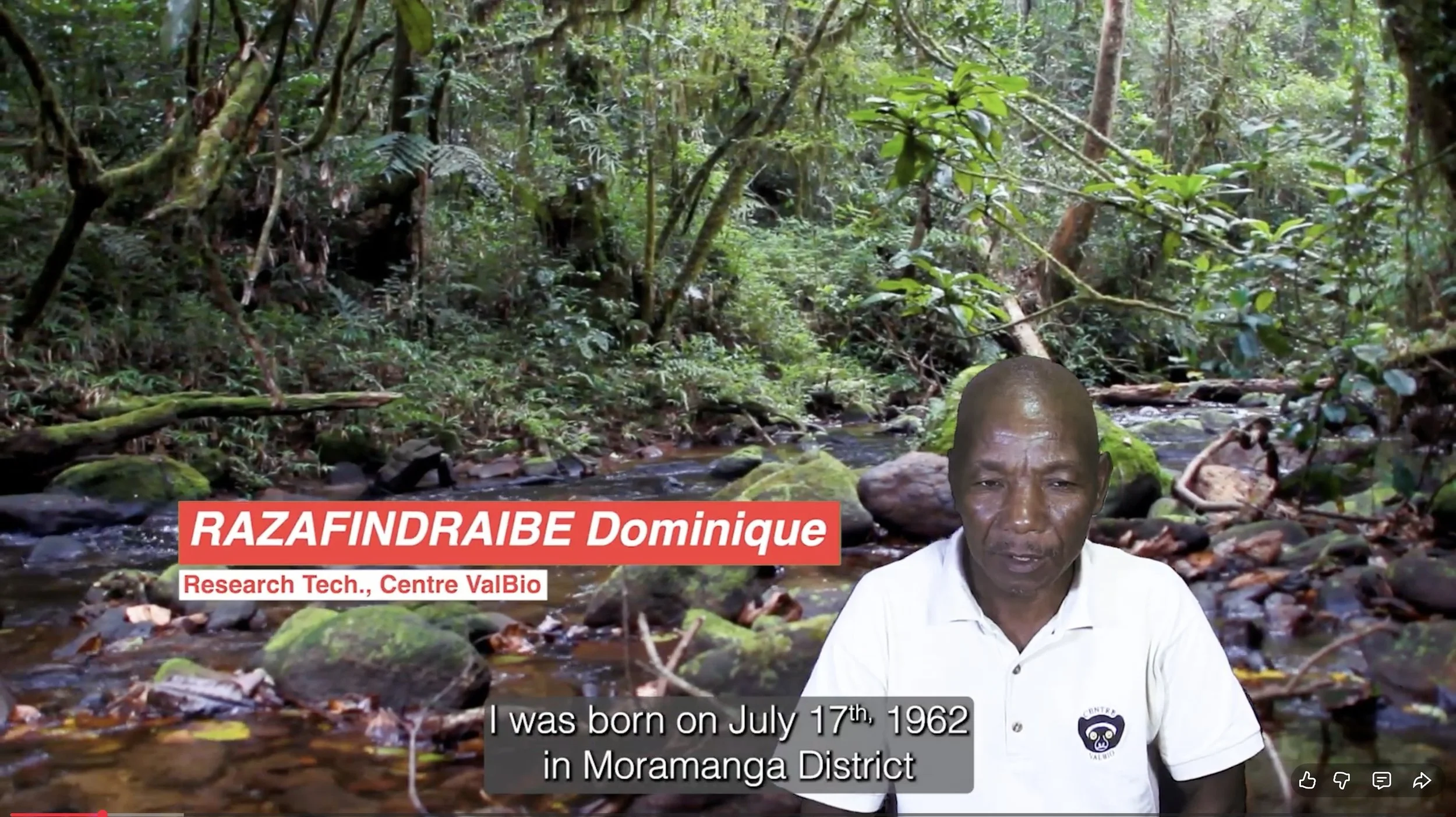
RAZAFINDRAIBE Dominique
Dominique Razafindraibe began his career as a research assistant and later became a technician working across botanical and animal studies in Ranomafana. His work includes seed dispersal research, plant collection, and the development of the Centre ValBio herbarium. Dominique highlights a major shift in research culture: local technicians are now increasingly responsible for data processing, computer-based analysis, and report writing, rather than these tasks being limited to foreign researchers. He recounts discovering a plant species found only in a single location within Ranomafana, emphasizing the forest’s high level of endemism. Dominique expresses a strong desire for researchers to share study results with field technicians, allowing them to better understand the significance of the data they collect. He views reforestation as essential for maintaining food availability, animal populations, and human livelihoods, and believes there is still much to learn from the forest.
Themes:
Research Protocols & Data Collection; Plant Phenology & Botany; Species Discovery & Taxonomy; Data Ownership & Knowledge Sharing; Reforestation & Restoration; Forest Protection; Human–Wildlife Interdependence
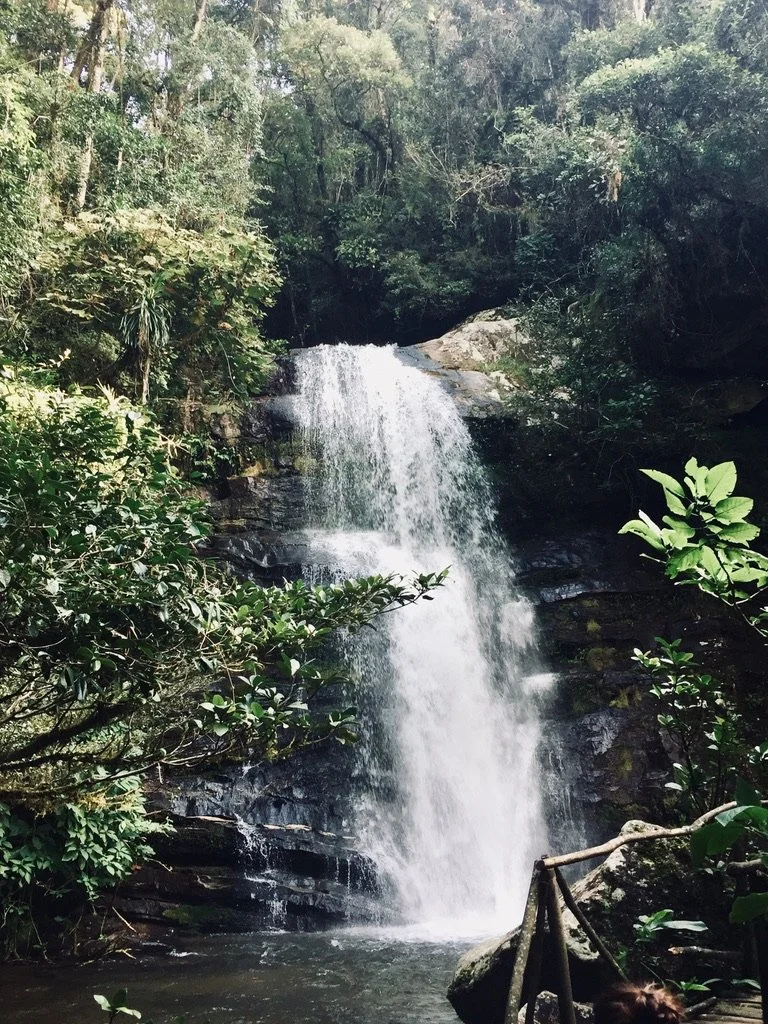
“The forest is valuable and plays a vital role in our lives. It is our duty to protect and nurture it, as it is the greatest heritage for future generations.”
Follow Centre ValBio on Socials
International phone: (+261) 34 135 8171
Madagascar phone: 0 34 135 8171
Centre ValBio YouTube Channel: https://www.youtube.com/@CVBRanomafana/featured
Facebook: https://www.facebook.com/CentreValBio/
Instagram: @centrevalbio
LinkedIn: https://www.linkedin.com/company/centre-valbio/